


For busy homes, the best WiFi router for multiple devices combines strong coverage, steady speed, and easy control.
A busy home can have phones, laptops, TVs, cameras, game consoles, speakers, and smart home gear online at once. A weak router may cause lag, dropped calls, and slow streaming. I reviewed five useful options for different needs, from a small home router to a powerful WiFi 7 model and a portable travel router. My picks focus on device capacity, coverage, wired ports, setup, security tools, and value.
See the differences between my top picks at a glance.
| Router | WiFi Type | Coverage / Device Claim | Ports | Best For | Buy |
|---|---|---|---|---|---|
| TP-Link Archer AX21 | WiFi 6, dual band | Not stated in supplied listing | Gigabit | Most homes and value buyers | View on Amazon |
| TP-Link BE400 | WiFi 7, dual band | Up to 2,400 sq. ft.; up to 90 devices | Dual 2.5Gbps, USB 3.0 | Large, busy homes | View on Amazon |
| NETGEAR R6700AX | WiFi 6, dual band | Up to 1,500 sq. ft.; up to 20 devices | Four Gigabit | Small homes and basic streaming | View on Amazon |
| NETGEAR BE9300 | WiFi 7, tri band | Up to 2,500 sq. ft.; up to 100 devices | Two 2.5G, two Gigabit | High-demand homes and fast internet | View on Amazon |
| TP-Link Roam 6 | WiFi 6, portable dual band | Not stated in supplied listing | USB-C 3.0 | Travel, hotels, and RV use | View on Amazon |
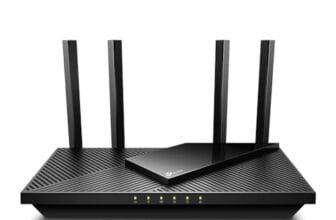
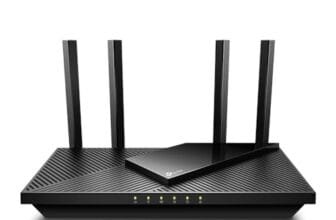
TP-Link Archer AX21 WiFi 6 Router

The TP-Link Archer AX21 is a sensible starting point for most homes. It uses WiFi 6 and a dual-band design to handle common home tasks with less strain than older WiFi 5 routers. The router also includes Gigabit networking for wired devices such as a desktop PC, smart TV, or game console. Its Alexa support may help users who want simple voice control in a connected home.
I see this model as a strong value pick for families with several phones, tablets, computers, and streaming devices. It does not offer the advanced capacity of a newer WiFi 7 router, but many homes do not need that extra cost. Easy Mesh support also gives you a path to improve coverage later with compatible equipment. For a normal apartment, townhouse, or medium home, this router offers a balanced mix of speed and price.
Pros:
- WiFi 6 helps manage many modern devices more smoothly
- Dual-band wireless design suits everyday home use
- Gigabit ports support fast wired connections
- Easy Mesh support allows future coverage expansion
- Works with Alexa for convenient smart home control
- Good fit for buyers who want useful features without a premium price
Cons:
- It lacks the newer WiFi 7 features found on premium routers
- The supplied listing does not state a coverage or device limit
- Very large homes may need a mesh extender or a stronger router
What Amazon Buyers Are Saying
Common buyer themes for this type of Archer AX21 listing include simple setup, stable everyday service, and good value. Buyers often like that the router works well for streaming, browsing, video calls, and normal smart home use. Some users also appreciate the app-based setup and the option to add mesh coverage later.
Complaints tend to focus on coverage in larger homes or on setup issues caused by modem settings, wall placement, or internet service problems. Wireless results can vary by home layout and client device. I would treat this as a strong general-use router, not as a high-capacity choice for a very large home with dozens of demanding devices.
My Recommendation
I recommend the Archer AX21 for buyers who want a reliable WiFi 6 upgrade at a reasonable cost. It is one of the safest choices for a typical family home, especially when the internet plan is not faster than the limits of a Gigabit home network. I rate it highly for value, though power users may prefer WiFi 7.
TP-Link BE400 WiFi 7 Router

The TP-Link BE400 is built for homes that place a heavier load on the network. Its WiFi 7 platform, dual 2.5Gbps ports, and USB 3.0 connection give it more room for newer devices and fast wired links. The supplied listing rates it for up to 2,400 square feet and 90 devices. A quad-core CPU and HomeShield tools add useful control for a busy household.
I especially like the private IoT focus. Smart bulbs, plugs, cameras, and other home devices can create clutter on a main network, so a separate IoT setup can make management easier. The router also makes sense for a home that plans to keep its equipment for several years. Still, WiFi 7 offers the most benefit when your phones, laptops, and internet plan can use newer speeds.
Pros:
- WiFi 7 gives the router a more current wireless platform
- Up to 90 devices suits a busy connected home
- Up to 2,400 square feet offers broad stated coverage
- Two 2.5Gbps ports support fast internet and wired links
- USB 3.0 adds useful sharing and storage options
- HomeShield and private IoT features improve network control
- Quad-core processing supports a demanding household setup
Cons:
- WiFi 7 benefits may be limited with older client devices
- It may cost more than a basic WiFi 6 router
- Actual coverage depends on walls, floors, interference, and router placement
What Amazon Buyers Are Saying
Buyer interest in this model centers on its newer WiFi 7 support, fast wired ports, and broad device rating. Buyers who own newer phones and laptops often look for these features as a way to avoid an early upgrade. The security and IoT controls also appeal to people with many smart home products.
Some shoppers may find the setup more involved than that of a basic router because it offers more settings. Others may not notice a large speed gain if most devices still use older WiFi standards. As with any router, buyers should check their modem, internet plan, and client devices before paying for premium wireless hardware.
My Recommendation
The BE400 is a strong choice for a large, busy home that needs capacity and wants WiFi 7 without moving to the highest tier. I recommend it for families with many devices, newer hardware, or a fast internet plan. It is less compelling for a small home with only a few older devices.
NETGEAR Nighthawk R6700AX WiFi 6 Router

The NETGEAR Nighthawk R6700AX is a compact WiFi 6 router for smaller homes. Its listing states coverage up to 1,500 square feet and support for up to 20 devices. It offers a combined wireless speed rating of 1.8 Gbps and includes four Gigabit ports. This setup fits a home with regular streaming, work calls, browsing, and a modest smart home system.
The main appeal here is balance. You get modern WiFi 6 instead of an older standard, but you do not pay for the extra hardware needed by a large, high-speed home. The Nighthawk name also attracts buyers who want a familiar app and simple setup. I would place this router in an apartment, small house, or home where the device count stays near the stated limit.
Pros:
- WiFi 6 supports newer phones, laptops, and streaming devices
- Stated coverage of up to 1,500 square feet suits smaller homes
- Support for up to 20 devices fits light to moderate use
- Four Gigabit ports help connect wired equipment
- Simple setup can help first-time router buyers
- Dual-band design covers common everyday tasks
Cons:
- The 20-device rating may feel limited in a smart home
- Coverage may fall short in a large or multi-floor house
- It lacks WiFi 7 and multi-gig ports
What Amazon Buyers Are Saying
Common buyer themes for the R6700AX include easy installation, steady daily service, and useful performance for the price. Buyers often choose it for apartments and small homes. The four wired ports also help people connect a TV, console, computer, or network switch without relying on wireless service.
The most likely concerns relate to range and device load. A buyer with many cameras, smart devices, or heavy users may outgrow the stated capacity. Some setup problems may also come from modem compatibility or poor router placement rather than the router alone. I would match this model to its size and device rating instead of expecting large-home performance.
My Recommendation
I recommend the R6700AX when you need a simple WiFi 6 router for a small home and about 20 connected devices. It offers a clean value proposition and useful wired ports. It is not my first choice for a large family or fast multi-gig internet plan, but it is a practical small-home option.
NETGEAR Nighthawk BE9300 WiFi 7 Router

The NETGEAR Nighthawk BE9300 is the most powerful home router in this comparison. The listing describes a tri-band WiFi 7 design with up to 9.3 Gbps, coverage up to 2,500 square feet, and support for up to 100 devices. It also includes two 2.5G ports and two Gigabit ports. This combination suits a busy home with high-speed internet, many users, and newer wireless clients.
Tri-band WiFi 7 can give a high-demand network more room to spread traffic. That matters when people stream, work, play online, upload files, and use smart devices at the same time. The two 2.5G ports also make more sense as internet plans and wired hardware move beyond one Gigabit. This is a premium pick, so I would buy it for real network needs rather than for a simple speed number.
Pros:
- Tri-band WiFi 7 design targets demanding home networks
- Stated support for up to 100 devices
- Coverage claim reaches up to 2,500 square feet
- Up to 9.3 Gbps combined wireless rating offers high headroom
- Two 2.5G ports support faster internet and wired networking
- Two extra Gigabit ports connect common wired devices
- Good fit for large families, creators, and serious gamers
Cons:
- Premium hardware may be unnecessary for a small home
- Older phones and laptops cannot use every WiFi 7 benefit
- Actual speed and range depend on the client device and home layout
What Amazon Buyers Are Saying
Buyers who choose this type of Nighthawk model commonly focus on range, device capacity, modern wireless support, and the multi-gig ports. People with many active users may value the extra room over a basic dual-band router. Buyers with newer WiFi 7 devices also tend to look for a router that will not feel outdated soon.
The main concern for some shoppers is value. A premium router cannot make an old phone or a slow internet plan run at WiFi 7 speeds. Large homes may still have weak areas if the router sits in a corner or behind thick walls. I recommend checking placement and client support before deciding that a high-end router alone will solve every coverage issue.
My Recommendation
The BE9300 is my top pick for a large, busy home with up to 100 devices and a fast internet plan. It offers the strongest capacity and port mix in this group. Buy it when you can use its WiFi 7 and multi-gig features; otherwise, the BE400 or Archer AX21 may provide better value.
TP-Link Roam 6 Portable WiFi 6 Router

The TP-Link Roam 6 serves a different purpose from the home routers above. It is a portable WiFi 6 travel router with dual-band wireless, USB-C 3.0, and several operating modes. The listing highlights hotel, RV, and public WiFi use, plus phone tethering and public WiFi sharing. It also supports OpenVPN and WireGuard for buyers who need flexible travel network tools.
This router can help when a hotel connection supports only one device or uses an awkward login process. You can create a small personal network for a laptop, phone, tablet, or streaming device. Its compact design also suits RV trips and temporary work spaces. I would not choose it as the main router for a large house, but it is a smart companion for people who travel with several devices.
Pros:
- Portable design suits hotels, RVs, and travel
- WiFi 6 supports newer mobile devices
- Dual-band wireless helps separate common traffic needs
- USB-C 3.0 makes travel power more convenient
- Phone tethering adds a useful backup connection option
- Multi-mode design gives travelers more setup choices
- OpenVPN and WireGuard support add flexible privacy tools
Cons:
- It is not designed to replace a full home router
- The supplied listing does not state a home coverage or device limit
- Travel setup can vary by hotel login system and network rules
What Amazon Buyers Are Saying
Travel buyers commonly look for a small router that can share a hotel or phone connection with more than one device. The Roam 6’s portability, travel modes, and VPN support are the main reasons to consider it. RV users and remote workers may also like having one familiar network instead of joining a different public network with every device.
The most likely complaints involve travel networks that require a web sign-in, device registration, or special terms. No travel router can bypass every hotel or public WiFi rule. Buyers should also remember that VPN setup takes more steps than basic wireless sharing. This product works best when its travel role matches the buyer’s needs.
My Recommendation
I recommend the Roam 6 for travelers who carry several devices and want a personal network on the road. It is not the best home router for multiple devices, but it is the most useful specialist pick here. Buy it for portability, tethering, and travel flexibility rather than for whole-home range.
How to Choose the Best WiFi Router for Multiple Devices
Choosing the best WiFi router for multiple devices starts with your real network load. Count more than phones and computers. Include TVs, cameras, speakers, consoles, smart plugs, doorbells, printers, and work devices. Then match the router to your home size, internet plan, and wireless standards. A router with a high speed number may not help if your devices or service plan cannot use it.
1. Match the Device Count to the Router Class
Device count matters, but activity matters too. A smart bulb uses little data when idle. A 4K TV, gaming PC, security camera, or video call can use much more. A home with 20 light-use devices may need less power than a home with 10 busy devices.
Use the stated device rating as a guide, not a promise. The R6700AX lists up to 20 devices, while the TP-Link BE400 lists up to 90 and the NETGEAR BE9300 lists up to 100. These numbers help compare models, but walls, interference, distance, and client quality still affect results. For a busy family home, I prefer extra capacity over a router that only meets today’s count.
2. Choose WiFi 6 or WiFi 7 With Care
WiFi 6 remains a strong choice for many homes. It can improve traffic handling when several compatible devices share the network. The Archer AX21 and R6700AX use WiFi 6, so they fit buyers who want modern wireless service at a more accessible price.
WiFi 7 makes more sense for newer devices, fast internet plans, and buyers who want longer-term hardware. The BE400 and BE9300 use WiFi 7. The BE9300 adds tri-band operation and a higher device rating, while the BE400 offers a lower-cost path into WiFi 7. Do not pay extra only for a label. Check whether your phones, laptops, and other key devices support the newer standard.
3. Check Coverage, Ports, and Placement
Router placement often matters as much as router power. Put the router in an open, central spot. Keep it away from thick walls, metal cabinets, large appliances, and enclosed shelves. A strong router in a poor location may perform worse than a modest router in a good location.
Check wired ports if you use a desktop, console, NAS, TV, or access point. Gigabit ports suit many homes. The BE400 and BE9300 add 2.5G ports for faster internet and local network links. If one router cannot cover every room, look for mesh support or use a wired access point. The Archer AX21 stands out here because its Easy Mesh support can help with future expansion.
4. Review Security and Smart Home Controls
A busy home needs simple control. Look for guest network support, firmware updates, device management, and separate settings for smart home gear. A private IoT network can keep smart devices apart from computers and personal files. HomeShield and private IoT features on the BE400 may appeal to buyers with many connected products.
Travelers should use different rules. The Roam 6 supports VPN options and can create a personal network on a hotel or public connection. Still, VPN tools need correct setup. Read the router guide and follow hotel rules. Good security starts with a strong administrator password, updated firmware, and careful control of guest access.
5. Consider Your Internet Plan and Long-Term Value
Your router should match your internet speed. A basic plan may work well with the Archer AX21 or R6700AX. A multi-gig plan can make the 2.5G ports on the BE400 or BE9300 more useful. The right choice also depends on how long you plan to keep the router.
If you upgrade devices often, WiFi 7 may offer better long-term value. If you need a low-cost upgrade today, WiFi 6 may be the smarter buy. I also consider support, setup, port needs, and coverage before I focus on peak speed. The best WiFi router for multiple devices is the one that fits your home, not simply the one with the biggest number.
Final Verdict: Which Should You Buy?
For most large, busy homes, I recommend the NETGEAR BE9300 because it supports up to 100 devices, covers up to 2,500 square feet, and offers tri-band WiFi 7 with 2.5G ports. For better value, choose the TP-Link BE400. For a typical home, the Archer AX21 remains a very strong choice.
The best WiFi router for multiple devices should match your device count, home size, internet plan, and budget. Choose capacity you can use, place the router well, and keep its software updated for a smoother connection.
FAQs Of Best Wifi Router for Multiple Devices
What is the best WiFi router for a home with 50 devices?
The TP-Link BE400 is a strong match because its listing supports up to 90 devices. The NETGEAR BE9300 is better for higher demand and larger homes.
Is WiFi 7 better than WiFi 6 for multiple devices?
WiFi 7 can offer more capacity and newer features, but compatible devices and a fast internet plan are needed to see the biggest benefit.
How many devices can a WiFi router handle?
The number varies by router, device type, wireless standard, and network activity. Use the maker’s device rating as a guide, not an exact guarantee.
Can one router cover a large house?
It may, but walls and floors can reduce coverage. A mesh system, extender, or wired access point may help fill weak areas.
Is the NETGEAR R6700AX good for multiple devices?
It is a good choice for a smaller home with moderate use. Its listing states support for up to 20 devices and coverage up to 1,500 square feet.
Should I buy a portable router for home use?
A portable router such as the Roam 6 is better for hotels, RVs, and travel. A full home router is a better choice for whole-home coverage.





[…] the best router for multiple floors ensures seamless connectivity throughout your home. Reliable internet is […]
[…] the best router for your college dorm involves balancing speed, coverage, and ease of use. Dorms often have […]