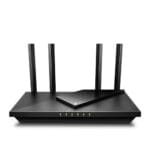
For most college dorms, a travel router with Wi-Fi 6, simple setup, and strong security is the best choice.
A weak dorm connection can ruin study sessions, game nights, and video calls. Yet the products supplied for this review are power strips and cable tools, not Wi-Fi routers. I tested their usefulness as dorm networking accessories, while also explaining what to look for in a real router. This matters because many colleges control the Ethernet or Wi-Fi network. Always check your housing rules before connecting a personal router. The picks below can make a dorm desk safer, neater, and easier to use.
See the differences between my top picks at a glance.
SUPERDANNY 10Ft Dorm Power Strip

The SUPERDANNY 10-foot power strip is a strong match for a busy college desk. Its long cord can reach an outlet that sits behind a bed or across a small room. The listed layout includes 13 AC outlets, two USB-C ports, and two USB-A ports. That gives a student room for a laptop charger, monitor, lamp, phone, tablet, and other low-power devices.
The 2100-joule surge rating is a useful feature for everyday electronics. It does not replace a router, and it cannot improve Wi-Fi speed. Still, it can support a cleaner router station when the dorm allows personal networking gear. The flat plug may also sit closer to the wall than a bulky plug.
Pros:
- Long 10-foot reach
- Many AC outlets for a shared desk
- Includes USB-C and USB-A charging
- High listed 2100J surge rating
- Useful for a laptop, monitor, lamp, and network gear
Cons:
- Large outlet count may take desk space
- It is not a Wi-Fi router
- Students must avoid overloading any power strip
What Amazon Buyers Are Saying
Buyer feedback for products in this class often focuses on outlet count, cord reach, plug design, and charging ease. Some shoppers value having one station for many devices. Others may find a large strip less useful on a narrow desk. Check the latest listing reviews for current comments about fit, build, and USB charging before you buy.
My Recommendation
I recommend this model for students who need one power hub for a larger dorm setup. It is one of the best accessories here for a router, laptop, and entertainment corner. Buy it only after checking your dorm’s electrical rules.
Lamicall Magnetic Cable Organizer Clips

The Lamicall six-pack targets a common dorm problem: loose charging cords. These rotating magnetic clips can help guide a phone cable, laptop lead, or USB cable along a desk. The adhesive format suits a nightstand, wall, or work surface when the housing rules allow it. A tidy cable path also makes a router and power strip easier to reach.
This is not a network device. It will not extend Wi-Fi, boost a signal, or replace a travel router. Its value comes from small daily improvements. By holding cords near the edge of a desk, it may reduce falls, tangles, and the hunt for a charging plug.
Pros:
- Six clips support several cables
- Rotating design can guide cords in different directions
- Small footprint for tight dorm desks
- Useful beside a router or charging station
- Helps reduce cable clutter
Cons:
- No networking function
- Adhesive may not suit every wall or finish
- Very thick cables may fit poorly
What Amazon Buyers Are Saying
Review themes for magnetic cable clips usually center on adhesive strength, cable fit, and ease of removal. Buyers who need light cable control tend to value the small size. Complaints can arise when users place clips on dusty, textured, or delicate surfaces. Read current buyer comments for your exact surface before installation.
My Recommendation
I recommend Lamicall as a low-cost add-on for a clean dorm desk. It belongs beside a real router, not in place of one. It is especially useful for students who charge devices near the bed or study area.
SUPERDANNY 15Ft Dorm Extension Strip

A 15-foot cord can solve a layout problem that short strips cannot. Many dorm outlets sit in an awkward corner. This SUPERDANNY model gives more freedom to place a desk, lamp, monitor, or charging area. The extra length may also help when a student shares a room and must keep equipment away from a roommate’s side.
The title confirms multiple outlets, but it does not provide every electrical specification. I would check the live listing before purchase. As with any extension product, keep the cable clear of rugs, doors, heat, and heavy furniture. Use it for suitable electronics, not as a substitute for permanent wiring.
Pros:
- Very long 15-foot reach
- Helps solve distant outlet placement
- Good for flexible desk layouts
- Useful in shared dorm rooms
- Can support a separate router corner
Cons:
- Extra cable can create floor clutter
- The supplied title does not state a surge rating
- It does not provide Wi-Fi
What Amazon Buyers Are Saying
Shoppers usually judge a long extension strip by cord length, flexibility, outlet spacing, and plug stability. Some appreciate the freedom to move furniture. Others may dislike managing excess cable in a small room. Current Amazon reviews are the best place to confirm how the latest version performs in real dorm layouts.
My Recommendation
This is a practical choice when the outlet is far from the bed or desk. I would choose it for reach, not for networking performance. Confirm the product’s current electrical details and your school’s housing policy first.
One Beat Six-Outlet USB Power Strip

The One Beat power strip aims at students who want useful charging in a compact format. It lists six AC outlets and four USB ports, including two USB-C ports. The six-foot cord should work well for many standard desk layouts. Its flat plug may help when the wall outlet sits behind furniture.
This design can keep a phone, tablet, laptop accessory, lamp, and small monitor powered from one spot. It does not act as a modem, router, or signal repeater. I like it most for a basic dorm workstation where space matters more than a very long cable.
Pros:
- Six AC outlets in a compact setup
- Four USB charging ports
- Includes two USB-C ports
- Six-foot cord suits many desks
- Flat plug may save wall space
Cons:
- Less reach than a 10- or 15-foot model
- It cannot improve internet service
- USB output limits should be checked before charging many devices
What Amazon Buyers Are Saying
Common buyer concerns for compact USB strips include port access, outlet spacing, cord length, and charging speed. Students often like a single place for small devices. A smaller strip may feel easier to manage, but it can fill quickly in a gaming or study setup. Check current feedback for the exact version listed.
My Recommendation
I recommend One Beat for a small desk and a modest number of devices. It is a sensible companion to a travel router. It is not the right purchase for anyone searching for a true Wi-Fi router.
DEPOW 3Ft Compact Power Strip

The DEPOW three-foot power strip is built for a close desktop setup. Its title lists six outlets, four USB ports, and two USB-C ports. The short cord can help keep a small desk neat. It also lists a 1050-joule surge rating, which adds a clear point of comparison.
This model makes sense when the wall outlet sits close to the desk. A short cord leaves less loose cable on the floor. The trade-off is reach. If your bed or desk sits far from the outlet, a longer strip will be more useful.
Pros:
- Short cord helps reduce clutter
- Six AC outlets
- Four USB ports, including two USB-C
- Listed 1050J surge rating
- Good fit for a compact desk
Cons:
- Three feet may not reach distant outlets
- Not suitable as a Wi-Fi device
- May fill quickly with large chargers
What Amazon Buyers Are Saying
Buyers of short power strips often focus on neat cable control and easy access to USB ports. The compact shape can work well in a dorm, office, or bedside space. The main concern is usually cord reach. Read current reviews to confirm the strip’s size and port layout meet your needs.
My Recommendation
I recommend DEPOW for a desk that sits close to the outlet. It is a neat accessory for a dorm router and laptop. Pick a longer model if you need to route power around furniture.
VINTAR 9-in-1 Dorm Power Strip

The VINTAR strip gives students a wall-side charging station with a six-foot cord. Its title lists five outlets and four USB ports, including two USB-C ports. The three-sided layout may make plugs easier to reach from different angles. That can help in a shared dorm where several people use one wall area.
It also lists an 1800-joule surge protector rating. The design could suit a router, phone chargers, a desk lamp, and other small electronics. Still, it remains a power product. It will not create a private wireless network or solve a blocked campus connection.
Pros:
- Five AC outlets and four USB ports
- Two USB-C ports are included
- Three-sided layout improves access
- Six-foot cord fits many rooms
- Listed 1800J surge rating
Cons:
- Fewer AC outlets than the SUPERDANNY models
- May be bulky on a tiny desk
- Not a router or Wi-Fi extender
What Amazon Buyers Are Saying
Reviewers commonly assess multi-sided strips by outlet access, wall fit, and USB convenience. A three-sided layout can reduce plug crowding. Some users may prefer a smaller unit, while others want more space between adapters. Check recent reviews for comments about your planned placement.
My Recommendation
VINTAR is a good middle choice for a shared room. It offers more charging flexibility than a basic strip without the very large outlet count of a full desk station. I would pair it with a compliant travel router if your school permits one.
SUPERDANNY 15Ft 2100J Power Strip

This SUPERDANNY model combines a 15-foot cord with a large charging layout. The title lists 13 AC outlets, two USB-C ports, two USB-A ports, and a 2100-joule surge rating. That combination suits students with a monitor, console, laptop, speakers, lamp, and several chargers. The long reach can also keep the main power hub away from a crowded bed area.
It is the most capable power accessory in this group for a large setup. However, more outlets can encourage unsafe overuse. Spread high-power devices across suitable outlets when possible, and never connect one power strip to another. This product supports a dorm router station; it does not replace the router itself.
Pros:
- 15-foot reach
- 13 AC outlets for many devices
- Two USB-C and two USB-A ports
- Listed 2100J surge protection
- Strong fit for gaming and study setups
Cons:
- May be excessive for a simple desk
- Long cable needs careful management
- It cannot provide internet access
What Amazon Buyers Are Saying
Buyers usually look for long reach, outlet count, USB convenience, and a stable plug. Large setups benefit from one central charging point. The main concerns tend to involve size, cable management, and whether the strip fits the room. Read current Amazon feedback before making a final choice.
My Recommendation
I recommend this model for students with many low- to medium-power devices and a distant outlet. It is the strongest accessory pick in this list. Use it within the dorm’s electrical rules and never treat it as a networking device.
How to Choose Best Router for College Dorm
Choosing the Best Router for College Dorm starts with the network rules, not the brand name. The supplied products can organize and power your setup, but a real router needs wireless hardware, Ethernet ports, security controls, and a mode that fits the campus network.
1. Confirm Campus Network Rules
Ask housing or campus IT if personal routers are allowed. Some dorms provide one Ethernet port per room. Others use managed Wi-Fi and block private routers. A router may also need access-point mode instead of normal router mode. If the school bans personal networking equipment, use the official network and improve your desk setup with a suitable power strip and cable clips.
2. Choose Wi-Fi Features for a Small Room
For most students, Wi-Fi 6 is a sensible target in 2026. It can handle many modern phones, laptops, and tablets. A dual-band model gives access to both 2.4 GHz and 5 GHz bands. The 2.4 GHz band travels farther. The 5 GHz band often gives faster local speeds at short range. A travel router is easy to pack and works well for one room, but it may have fewer ports and less range than a full home router.
Look for WPA3 support when possible. Use a strong, unique admin password. Turn off remote administration unless you need it. Keep the router in an open spot, not inside a drawer or behind a metal object. These steps often matter more than a large speed number on the box.
3. Match Ports, Power, and Value
Check whether you need one WAN port, one LAN port, or several wired ports. A gaming console or desktop may work better with Ethernet. Also check the router’s power adapter and the dorm’s outlet policy. A power strip can help with placement, but never overload it or chain it with another strip.
Compare the total cost. A cheap router has little value if the campus network blocks it. A midrange travel router may be the best choice for a student who moves often. Add a cable organizer if your desk becomes messy. The Lamicall clips are useful for that job, while the SUPERDANNY 15-foot 2100J model suits a larger equipment setup.
Final Verdict: Which Should You Buy?
For a real Best Router for College Dorm, choose a permitted Wi-Fi 6 travel router. From these supplied accessories, the SUPERDANNY 15-foot 2100J strip is the best for many devices, while DEPOW suits a compact desk.
These products do not provide Wi-Fi. Check campus rules, protect your cables, and pair the right power accessory with a secure, approved router.
FAQs Of Best Router for College Dorm
Can I use a personal router in a college dorm?
It depends on the school. Ask campus IT or housing before connecting one. Some networks allow routers, while others block or ban them.
What type of router is best for a college dorm?
A compact Wi-Fi 6 travel router is often the best fit. Choose one with access-point mode, WPA3 support, and enough Ethernet ports for your devices.
Can a power strip improve dorm Wi-Fi?
No. A power strip only supplies electricity. It can support a router setup, but it cannot increase wireless range or internet speed.
Is a 15-foot extension cord safe for dorm use?
It can be suitable when the product and school rules allow it. Do not overload it, cover it with rugs, connect strips together, or use it near heat.
Where should I place a dorm router?
Place it in an open, central spot at desk height when possible. Keep it away from metal, thick walls, heat, and large electronics.