

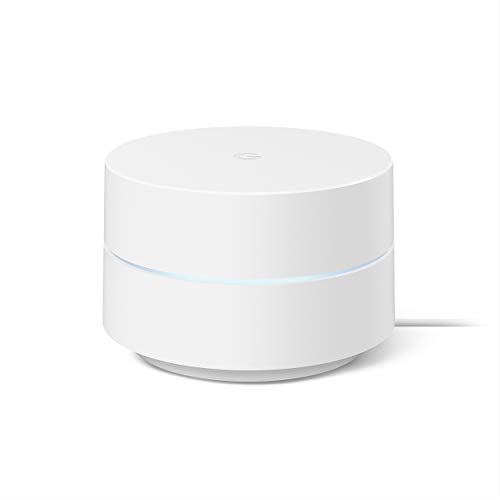
The best router for Google Home is Google Nest Wifi, with simple setup, steady coverage, and smooth smart-home control.
Weak Wi-Fi can make Google Home speakers lag, cameras drop offline, and smart lights respond late. I know how frustrating that feels, especially when the signal fails in one room but works well in another. A mesh router can fix that problem by spreading Wi-Fi across the home instead of relying on one box. I reviewed six Google WiFi and Nest Wifi options for coverage, setup, smart-home use, speed, value, and daily ease. These models suit different homes, from small apartments to larger houses with many connected devices.
See the differences between my top picks at a glance.
| Router | Coverage | Wi-Fi class | Best for | System size | Buy |
|---|---|---|---|---|---|
| Google Nest Wifi | Up to 2,200 sq. ft. | AC2200 | Most homes | 1 pack | View on Amazon |
| Google WiFi 3-Pack | Up to 4,500 sq. ft. | AC1200 | Large homes | 3 pack | View on Amazon |
| Google WiFi 3-Pack NLS-1304-25 | Whole-home mesh | AC1200 class | Budget mesh | 3 pack | View on Amazon |
| Google Nest Wifi 2-Pack | Varies by layout | Nest Wifi | Medium homes | 2 pack | View on Amazon |
| Google WiFi 1-Pack | Whole-home replacement | AC1200 class | Small homes | 1 pack | View on Amazon |
| Google WiFi 2-Pack | Up to 3,000 sq. ft. | AC1200 | Medium homes | 2 pack | View on Amazon |
Google Nest Wifi AC2200 Router

Google Nest Wifi remains one of the easiest mesh systems to recommend for a connected home. The AC2200 class router is designed for stable wireless coverage, not complex network tuning. It works well with Google Home speakers, displays, Chromecast devices, locks, plugs, and other smart products. The rounded design also looks less like a black computer box in a living room.
The single-pack model targets homes that need one strong central router. Its listed coverage is up to 2,200 square feet, though walls, floors, and building materials can change real results. Setup takes place through the Google Home app, which guides you through the main steps. I like this choice for people who want reliable control without spending time on advanced settings.
Pros:
- Simple setup through the Google Home app
- Good match for Google Home speakers and displays
- Coverage rated up to 2,200 square feet
- Clean design that fits most rooms
- Mesh expansion remains possible with compatible units
- Useful network checks and device controls in the app
Cons:
- This one-pack option may not cover homes with many dead zones
- It uses an older Wi-Fi 5 class rather than Wi-Fi 6 or Wi-Fi 7
- Advanced users may want more manual network controls
What Amazon Buyers Are Saying
Buyer feedback commonly focuses on easy installation, neat design, and better coverage than an older single router. Many customers like the app because it makes device setup and basic checks feel clear. Some buyers report that placement affects results, which is normal for any mesh system. Common concerns include older hardware, app dependence, and limits for users who want detailed network settings.
My Recommendation
I recommend this model as the best router for Google Home for a small or medium home that needs one dependable main unit. It offers a strong balance of ease, coverage, and smart-home fit. It is less attractive for buyers who need the latest wireless standard or very high wired speeds. Overall, it is still a sensible pick when the price is right.
| Category | Rating |
|---|---|
| Google Home compatibility | 4.5/5 |
| Coverage | 4.3/5 |
| Ease of setup | 4.8/5 |
| Value | 4.2/5 |
| Overall rating | 4.5/5 |
Google WiFi AC1200 Three-Pack

This Google WiFi AC1200 three-pack focuses on broad coverage at a lower level than newer premium mesh systems. The listing states coverage of up to 4,500 square feet, which makes it a practical option for larger layouts. Three points can help reduce weak spots in rooms far from the modem. It also fits homes with many smart devices spread across several areas.
Google WiFi uses a simple app-led setup that suits people who do not want to manage a complex router dashboard. The system can help keep Google Home devices connected as you move around the house. Performance still depends on node placement and the speed of your internet plan. I would place each unit in an open area, not inside a cabinet or behind large electronics.
Pros:
- Three units help extend coverage across larger homes
- Listed coverage reaches up to 4,500 square feet
- Simple setup for first-time mesh buyers
- Works well for common smart-home devices
- Clean white design blends into many rooms
- Useful choice when several rooms need a stronger signal
Cons:
- AC1200 hardware is not the newest Wi-Fi class
- More units require more planning and outlet space
- Large coverage claims can vary with walls and floor layout
What Amazon Buyers Are Saying
Reviews for three-unit Google WiFi kits often praise the wider signal and easy app setup. Buyers with larger homes tend to value the ability to place a point near a weak room. Some report that the system solved basic dead spots, while others note that placement takes trial and error. Complaints tend to involve older technology, inconsistent results through thick walls, or expectations that the system will match a high-end wired network.
My Recommendation
This is a good value choice for a larger home with many Google Home devices and ordinary internet use. I would choose it over a single router when signal loss affects bedrooms, a basement, or a home office. It makes less sense for users with very fast internet and demanding local transfers. Overall, it earns a strong score for coverage per dollar.
| Category | Rating |
|---|---|
| Whole-home coverage | 4.6/5 |
| Google Home use | 4.4/5 |
| Setup | 4.6/5 |
| Modern features | 3.8/5 |
| Overall rating | 4.3/5 |
Google WiFi Three-Pack NLS-1304-25

This three-pack is an older Google WiFi system made for whole-home coverage. It remains appealing because the three-point layout can reach rooms that a single router may miss. The system suits basic browsing, video streaming, smart speakers, and connected lights. Its white units have a quiet, simple look that does not draw much attention.
The main reason to consider this kit is value, especially when a sale lowers the cost. It can provide a smooth path into mesh networking for homes with simple needs. However, buyers should remember that this is an older AC1200-class product. I would not select it only for a fast internet plan or advanced Wi-Fi features.
Pros:
- Three nodes help spread Wi-Fi across many rooms
- Friendly choice for basic smart-home networks
- Simple design and app-based management
- Often attractive when sold at a lower price
- Good fit for streaming and normal family use
- Easy to expand within the same compatible product family
Cons:
- Older design and wireless hardware
- May offer less capacity than newer mesh systems
- Coverage depends strongly on node placement
What Amazon Buyers Are Saying
Common review themes include easy setup, better coverage, and a less stressful switch from a basic router. Buyers often like the ability to manage connected devices from one app. Some customers say the system works well for everyday use, while others mention slower results in difficult layouts. As with other older mesh products, some complaints involve limited advanced settings and performance that does not meet modern high-speed expectations.
My Recommendation
I recommend this pack only when its price is clearly lower than newer options and your needs are modest. It can work well for Google Home speakers, smart plugs, and normal streaming across a medium or large home. I would pay more for Nest Wifi if you want stronger overall performance. Its value rating improves when coverage matters more than top speed.
| Category | Rating |
|---|---|
| Coverage layout | 4.3/5 |
| Smart-home support | 4.2/5 |
| Ease of use | 4.5/5 |
| Long-term value | 3.9/5 |
| Overall rating | 4.1/5 |
Google Nest Wifi Two-Pack

The Google Nest Wifi two-pack gives a home a main router and an additional mesh point. This layout can help when the modem sits at one end of the house and the far rooms need better service. Nest Wifi is made to work with Google Home, so setup and control feel natural for people already using Google devices. The system also has a more polished look than many traditional routers.
A two-pack can offer a useful middle ground between a one-pack and a three-pack. It avoids the cost and placement work of three units while reaching beyond a single router. The exact result depends on home size, wall materials, and the distance between units. I suggest testing the point in an open central area instead of placing it at the edge of the weak signal.
Pros:
- Helpful balance for medium-size homes
- Designed around Google Home app control
- Better reach than a single central unit
- Simple, attractive hardware design
- Good fit for speakers, displays, and smart accessories
- Easy for less technical users to manage
Cons:
- Older Wi-Fi generation than current premium routers
- Two units may not solve problems in a very large home
- Mesh points need careful placement for best results
What Amazon Buyers Are Saying
Buyers often mention quick setup and a more even signal across rooms. Many like the clean shape and the way the system appears in the Google Home app. Some report that the second unit helps with bedrooms, offices, or upper floors. Other reviews point to setup issues caused by modem settings, poor point placement, or expectations for speeds that the older hardware cannot provide.
My Recommendation
This is one of the safest choices for a medium home that already uses Google Home. I prefer it over a three-pack when one extra point is enough to remove the main dead zone. It is not the best answer for a very fast fiber plan or a large smart home with heavy local traffic. Overall, it delivers a pleasant mix of ease and coverage.
| Category | Rating |
|---|---|
| Google Home integration | 4.6/5 |
| Medium-home coverage | 4.4/5 |
| Setup experience | 4.7/5 |
| Value | 4.1/5 |
| Overall rating | 4.4/5 |
Google WiFi One-Pack Router

This one-pack Google WiFi router is aimed at buyers who want a basic replacement for an old router. It can suit an apartment, small home, or single-floor space where one well-placed unit covers the main rooms. The design stays small and simple. It also gives Google Home users a familiar way to manage the network.
The biggest benefit is a lower entry cost into Google WiFi. You can also add compatible units later if your needs change, subject to product support and compatibility. Still, one unit cannot create coverage in rooms that sit far behind thick walls. I would choose this model only after checking that a single router can reach the areas that matter most.
Pros:
- Lower-cost way to try Google WiFi
- Good for apartments and small homes
- Simple app-based setup
- Small design fits on a shelf or desk
- Works well for light smart-home use
- May support later mesh expansion with compatible units
Cons:
- One unit offers less coverage than a multi-pack
- Older AC1200-class hardware
- Not ideal for large homes or many distant devices
What Amazon Buyers Are Saying
Customer comments commonly praise the small size, simple setup, and improvement over basic older routers. Buyers in apartments and smaller spaces often find one unit enough for normal use. Some users report that the signal weakens through several walls or across floors. Other concerns include older performance and the need for extra points in larger homes.
My Recommendation
This model is worth considering for a small home, apartment, or guest network. It is not my first choice for a whole-home Google Home setup because a single unit leaves less room for coverage mistakes. Buy it when the price is low and your space is compact. For most families, the two-pack gives better long-term flexibility.
| Category | Rating |
|---|---|
| Small-home coverage | 4.1/5 |
| Google Home use | 4.2/5 |
| Ease of setup | 4.5/5 |
| Budget value | 4.3/5 |
| Overall rating | 4.2/5 |
Google WiFi AC1200 Two-Pack

This Google WiFi AC1200 two-pack is a practical option for buyers who need more reach than one router can provide. The listing gives coverage of up to 3,000 square feet. Two points can help spread service between a main living area and a bedroom, office, or second floor. It is aimed at normal home use rather than advanced network work.
The system can support common Google Home tasks, including voice commands, music, casting, and smart-device control. It also makes sense for homes that have one clear weak zone but do not need three units. I would keep the two devices close enough to maintain a healthy link, while avoiding corners, cabinets, and crowded areas.
Pros:
- Listed coverage of up to 3,000 square feet
- Useful middle choice between one and three units
- Simple design and app control
- Good fit for everyday streaming and smart devices
- Less placement work than a three-pack
- Can improve service in a distant room
Cons:
- AC1200 hardware is not suited to every high-speed plan
- Actual coverage may fall below the listed figure in difficult homes
- Advanced users may want more router controls
What Amazon Buyers Are Saying
Review themes often include easier setup, better reach, and good results for normal home use. Buyers like having a second point without paying for a full three-unit kit. Some customers note that the system works best when the points sit in open locations with a clear path between them. Reported complaints tend to focus on older Wi-Fi limits, placement, and app or modem setup questions.
My Recommendation
I recommend this two-pack for a medium home with one or two main weak areas. It offers a sensible balance between price and coverage. Choose Nest Wifi instead if you want the stronger model in this group. Choose this pack when the lower price matters and your devices do not need the newest wireless features.
| Category | Rating |
|---|---|
| Coverage | 4.4/5 |
| Smart-home fit | 4.2/5 |
| Setup | 4.5/5 |
| Value for money | 4.3/5 |
| Overall rating | 4.3/5 |
How to Choose the Best Router for Google Home
The right router depends on your home, internet plan, and number of connected devices. Google Home products need a stable local network, but they do not need the fastest router on the market. I focus on steady coverage, simple control, and a system that matches the space. These three checks can help you avoid paying for features you will not use.
1. Match Mesh Coverage to Your Home Layout
Start with the shape of your home, not just its square-foot number. A long home, split-level home, or house with thick walls may need more than one Wi-Fi point. A small apartment may need only one router. Place mesh points in open areas and keep them between the main router and the weak room. Do not place a point inside a cabinet, behind a television, or at the far edge of the dead zone.
Coverage numbers are estimates. Metal, brick, concrete, floors, and nearby networks can reduce the real range. A two-pack often suits a medium home, while a three-pack helps in larger or more complex layouts. If only one room has poor service, start with two units rather than buying the largest kit.
2. Check Google Home Setup and Device Support
The best router for Google Home should be easy to add to the Google Home app. This matters because many buyers want to manage speakers, displays, cameras, plugs, and lights from one place. A simple app can also show connected devices and help find basic network problems. That saves time when a speaker goes offline or a smart bulb stops responding.
Also check whether the router supports the way you use your network. Some homes need guest access, device pauses, parental controls, or wired connections. Google mesh systems focus on simple control. They may not satisfy users who want many advanced options, custom firmware, or detailed traffic tools.
3. Balance Wi-Fi Age, Internet Speed, and Price
All six products in this review use older Google WiFi or Nest Wifi designs. They can handle common tasks, but newer Wi-Fi 6 and Wi-Fi 7 routers may offer better efficiency with many modern devices. A newer standard can matter more in a busy home with fast fiber, many phones, gaming systems, cameras, and large downloads.
Do not buy a faster router only because the number looks bigger. First check your internet plan and your devices. For a basic smart home, stable coverage can matter more than peak speed. Compare the cost of the full system, not just one unit. A low-priced router may need extra points later, while a two-pack may solve the problem at once.
Final Verdict: Which Should You Buy?
For most homes, I would choose the Google Nest Wifi AC2200 single pack or two-pack. The two-pack is the best overall choice when rooms need broader coverage. The Google WiFi three-pack offers the best reach for a larger home on a budget.
The best router for Google Home should make daily use easy and steady. Check your layout, internet speed, and device count before buying, then choose the smallest system that covers your home well.
FAQs Of Best Router for Google Home
Do Google Home speakers need a special router?
No. Google Home speakers need a stable Wi-Fi network and internet access. A Google Nest Wifi or Google WiFi system can make setup easier, but other compatible routers can also work.
Is Google Nest Wifi better than Google WiFi?
Google Nest Wifi is generally the stronger choice in this group. It offers newer hardware and a higher AC class than older Google WiFi models, while Google WiFi can cost less.
How many mesh points do I need for Google Home?
One unit may suit a small apartment. A two-pack often fits a medium home. A three-pack may help a large, long, or multi-floor home with several weak areas.
Can I use Google WiFi with an existing modem?
Yes. Google WiFi and Nest Wifi normally connect to a modem or modem-router. Follow the app instructions, and check modem settings if another router is already active.
Where should I place a Google WiFi point?
Place it in an open area between the main router and the weak room. Keep it away from cabinets, thick walls, large metal objects, and crowded electronics.




[…] digital age, internet access is essential for everyone, including the elderly. Choosing a router that combines simplicity with robust performance can greatly enhance their online experience. The […]