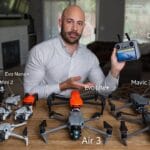

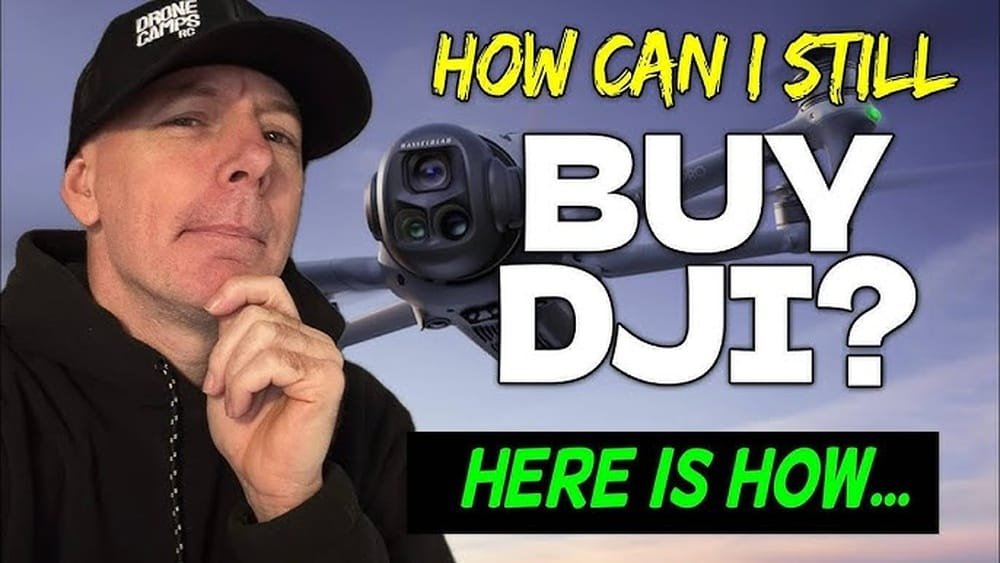
Looking to buy your first drone and searching for the best drones for beginners in 2026, but worried about the recent DJI ban? You’re not alone.
Many beginners are now searching for the best drones that are easy to fly, affordable, and packed with great features—without relying on DJI. Whether you want to capture stunning photos, learn to fly, or just have fun, choosing the right drone can feel overwhelming.
This guide will help you cut through the noise and find the perfect drone for your needs in 2026. Stick with us, and you’ll discover which models offer the best value, ease of use, and performance to get you flying confidently right away.
Credit: dronebundle.com
Top Beginner Drones In 2026
Drones have become popular for fun and photography. In 2026, many beginners want easy-to-use drones that do not come from DJI, following recent restrictions. This guide lists the best beginner drones in 2026, including options that work as best drones for farming, offering good quality and simple controls. It’s also including options that work as best drones for thermal imaging and farming. These models help new users learn flying without frustration or high costs.
Autel Robotics Evo Nano 3
The Autel EVO Nano 3 is small and light. It weighs only 249 grams, so you can fly it without special rules. This drone has a 50MP camera for clear photos and videos in 4K. Flight time lasts about 28 minutes, enough for short trips.
- Easy controls for beginners
- Obstacle avoidance sensors
- Compact design for travel
Skydio 2+
Skydio 2+ uses smart technology to avoid crashes. It is perfect for those new to flying drones. The camera shoots smooth 4K video. Battery life is around 27 minutes, giving plenty of flight time.
- Autonomous flight modes
- Strong obstacle avoidance
- Good for outdoor adventures
Ryze Tech Tello 2
The Ryze Tech Tello 2 is one of the best drones for kids and beginners, offering an affordable and user-friendly flying experience. It weighs 80 grams and is easy to carry. Video quality is 720p, suitable for learning. Flight time is short, about 13 minutes.
- Simple app controls
- Safe for indoor use
- Good practice for new pilots
Holy Stone Hs175
Holy Stone HS175 offers stable flying and easy control. It has a 1080p camera for clear photos. Flight time reaches 18 minutes, enough for fun sessions. The drone is durable and beginner-friendly.
- One-key takeoff and landing
- Headless mode for easy flying
- Affordable price
Comparison Table Of Top Beginner Drones
| Drone Model | Camera Quality | Flight Time | Weight | Key Feature |
|---|---|---|---|---|
| Autel EVO Nano 3 | 50MP, 4K Video | 28 minutes | 249 grams | Obstacle Avoidance |
| Skydio 2+ | 12MP, 4K Video | 27 minutes | 800 grams | Autonomous Flight |
| Ryze Tech Tello 2 | 5MP, 720p Video | 13 minutes | 80 grams | Easy App Control |
| Holy Stone HS175 | 2MP, 1080p Video | 18 minutes | 380 grams | One-Key Takeoff/Landing |

Credit: thenewcamera.com
Impact Of The Dji Ban On Drone Market
The drone market in 2026 faces big changes after the DJI ban. DJI was a top brand for beginners and pros. The ban has shifted buyers and sellers to other companies. This affects prices, features, and availability of drones.
Changes In Market Leaders And Brands
DJI’s absence left a gap for other brands to fill. Companies like Autel Robotics, Skydio, and Parrot gained more attention. These brands now compete to attract new drone users. This competition helps users find better beginner drones with good prices.
Impact On Prices And Availability
- Prices: Some drones became more expensive due to lower supply.
- Availability: Stores shifted to selling non-DJI models, increasing variety.
- New Releases: More beginner-friendly drones entered the market quickly.
Shift In Features And Technology
Brands replaced DJI by improving features useful for beginners:
- Easy controls and flight modes
- Better obstacle avoidance
- Longer battery life
- Improved camera quality
This shift helps beginners find drones that are easier and safer to fly.
Effect On Beginner Drone Buyers
Beginners now explore more brands and drone types. They compare features and prices closely. Some face challenges due to less information about new brands. But overall, buyers get fresh options beyond DJI.
Key Features To Look For In Starter Drones
Finding the right drone as a beginner can be tough, especially after the DJI ban. The market offers many options. Knowing what features matter most helps you pick the best starter drone. Focus on safety, ease of use, and good flight time. These features make learning fun and frustration-free.
Flight Stability And Control
Look for drones with good flight stability. This means the drone stays steady in the air. It should handle light winds and hover without much effort.
Easy controls are important. Beginner drones often have:
- Simple remote controls
- Smartphone app integration
- Automatic takeoff and landing
These features help new pilots focus on flying, not fighting the controls.
Battery Life And Charging Time
Longer battery life means more flying fun. Aim for drones with at least 15 to 20 minutes of flight time per charge.
Charging time also matters. Short charging times let you get back in the air faster. Some drones offer quick swap batteries to keep flying without long waits.
Durability And Repair Costs
Beginner drones should be tough. They will probably crash a few times. Look for models made from strong materials like ABS plastic.
Check if replacement parts are cheap and easy to find. Lower repair costs mean less worry when accidents happen.
Camera Quality And Features
Basic cameras on starter drones help capture fun moments. A 720p or 1080p camera is enough for beginners.
Extra features to consider:
- Image stabilization
- FPV (first-person view) live feed
- Simple photo and video modes
Good camera quality adds value but should not overwhelm beginners.
Safety Features
Safety is key for new drone pilots. Look for drones with:
- Automatic return-to-home
- Obstacle avoidance sensors
- Low battery alerts
These features prevent crashes and help keep the drone safe.
Weight And Portability
Lightweight drones are easier to carry and fly. Smaller drones fit in backpacks or bags.
Portability lets beginners practice flying anywhere. Compact designs also help protect drones during transport.
| Feature | Why It Matters | Ideal for Beginners |
|---|---|---|
| Flight Stability | Keeps drone steady and easy to control | Yes |
| Battery Life | Allows longer flight sessions | 15-20 minutes minimum |
| Durability | Handles crashes and rough landings | Strong plastic, easy repairs |
| Camera Quality | Captures photos and videos | 720p to 1080p |
| Safety Features | Prevents accidents and loss | Return home, obstacle avoidance |
| Portability | Easy to transport and fly anywhere | Lightweight, compact size |
Battery Life And Flight Time
Battery life and flight time are key factors when choosing a drone, especially for those seeking the best drones for long range flying. These features determine how long you can fly before recharging or swapping batteries. Beginners especially benefit from drones that offer steady and reliable flight times. Flying without constant interruptions helps build skills and confidence. Battery life depends on the drone’s size, weight, and motor power, which also matters when choosing the best drones for high altitude flying. Flight time varies from about 5 minutes to over 30 minutes. Understanding these details helps pick the best drone for your needs.
What Is A Good Battery Life For Beginner Drones?
Good battery life for beginner drones usually ranges between 10 and 25 minutes of flight time. This range offers enough time to practice and enjoy flying without rushing. Some cheaper models may offer less than 10 minutes, which can be frustrating.
- 10-15 minutes: Basic drones suitable for short flights.
- 15-25 minutes: Ideal for beginners wanting longer practice sessions.
- 25+ minutes: Rare in beginner drones but great for extended flights.
How To Extend Your Drone’s Flight Time
Flight time depends on the battery and how you fly the drone. Use these tips to get the most from your battery:
- Fly in calm weather: Wind uses more power.
- Use eco or beginner mode: Limits speed and power use.
- Turn off unnecessary features: GPS and lights consume extra battery.
- Charge batteries fully: Always use the original charger.
- Carry extra batteries: Swap them quickly for longer flying sessions.
Comparing Battery Life Of Top Beginner Drones In 2026
| Drone Model | Flight Time (minutes) | Battery Capacity (mAh) | Price Range |
|---|---|---|---|
| Model A | 18 | 1500 | $150 – $200 |
| Model B | 22 | 1800 | $200 – $250 |
| Model C | 15 | 1200 | $100 – $150 |
Camera Quality For Beginners
The DJI ban has shifted the drone market, making it important for beginners to choose wisely. Camera quality is a key factor for new drone pilots, making some models the best drones for videography. A good camera helps capture clear, sharp photos and videos. Beginners need a balance of ease and quality without complex settings.
Understanding Camera Resolution
Camera resolution shows the amount of detail a drone captures. It is measured in megapixels (MP). Higher megapixels mean sharper images. For beginners, a drone with 12MP to 20MP is ideal. It offers clear pictures without too much file size.
- 12MP: Good for casual photography and social media sharing.
- 16MP – 20MP: Better for printing photos and cropping images.
Video Quality And Frame Rates
Video quality is another important aspect. Most beginner drones record in 1080p or 4K. 1080p is standard and works well for everyday use. 4K gives sharper and more detailed videos but uses more storage.
| Resolution | Best Use | Storage Needs |
|---|---|---|
| 1080p (Full HD) | Social media, basic videos | Low to moderate |
| 4K Ultra HD | Professional quality, detailed footage | High |
Frame rates affect video smoothness. Common frame rates are 30fps and 60fps. For beginners, 30fps is enough. 60fps creates smoother videos, good for action shots.
Stabilization For Clear Shots
Stabilization keeps the camera steady during flight. It prevents blurry photos and shaky videos. Many drones have built-in gimbals or electronic image stabilization (EIS).
- Gimbal Stabilization: Uses motors to keep the camera steady.
- Electronic Image Stabilization: Software fixes minor shakes.
Beginners benefit most from drones with gimbal stabilization. It ensures clearer and more professional-looking footage.
Ease Of Use And Control Options
Choosing the right drone for beginners in 2026 means focusing on ease of use and control options. After the DJI ban, many new brands offer user-friendly features. These features help new pilots fly confidently and safely.
Simple Remote Controllers
Beginners need remote controllers that are easy to understand and operate. Many drones come with compact controllers that have clear buttons and joysticks. Some even use smartphone apps to control the drone.
- Ergonomic design: Fits well in hands, reducing fatigue.
- Clear layout: Buttons and sticks placed logically.
- App integration: Allows control via phone or tablet.
These features help beginners feel confident during their first flights.
Automatic Flight Modes
Automatic flight modes make flying easier for new users. Drones may include modes like:
- Hover mode: Holds position without pilot input.
- Follow me: Drone follows the pilot automatically.
- Return to home: Drone flies back safely with one button.
- Waypoint navigation: Pre-set flight path for easy control.
These modes reduce the learning curve and prevent crashes.
Intuitive Controls And Tutorials
Many beginner drones offer tutorials built into the controller or app. These tutorials guide users step-by-step. Intuitive controls use simple gestures or buttons for key actions.
- One-button takeoff and landing: Simplifies start and end of flight.
- Gesture control: Fly using hand movements.
- On-screen instructions: Help pilots understand controls quickly.
Learning becomes faster and less stressful with these features.
Durability And Build Quality
Choosing the best drones for beginners in 2026 means focusing on durability and build quality. After the DJI ban, many new brands have stepped up. Durability ensures the drone can handle crashes and rough landings. Good build quality means longer life and better performance. Beginners need drones that can survive mistakes and keep flying.
Durability Materials
Drones made from strong materials last longer. Look for:
- ABS Plastic: Lightweight and shock-resistant
- Carbon Fiber: Very strong and durable but more expensive
- Aluminum Frame: Adds strength but increases weight
ABS plastic is common in beginner drones. It offers good protection without making the drone heavy. Carbon fiber is best for those who want extra toughness.
Design Features That Protect
Protective design helps drones survive crashes. Key features include:
- Propeller Guards: Prevent blades from breaking on impact
- Shock Absorbers: Reduce damage to internal parts
- Foldable Arms: Absorb impact and improve portability
Propeller guards are very helpful for beginners. They stop damage during beginner mistakes. Shock absorbers keep delicate electronics safe.
Water And Dust Resistance
Drones with water and dust resistance last longer outdoors. Check for an IP rating, such as:
| Rating | Protection Level |
|---|---|
| IP54 | Protected against dust and water splashes |
| IP67 | Dust tight and can handle temporary water submersion |
Higher IP ratings mean better protection. Beginners benefit from drones that keep working even in light rain or dusty areas.
Affordable Drones With Advanced Features
Finding the right drone can be tricky, especially after the DJI ban changed the market. Many beginners want drones that cost less but still offer great features. Affordable drones with advanced features provide a perfect balance of price and technology. These models make it easy to learn flying and enjoy smart functions without spending too much.
Top Affordable Drones With Smart Flight Controls
Smart flight controls help beginners fly safely and smoothly. These drones use sensors and GPS to keep stable and avoid crashes. Some popular features include:
- Automatic takeoff and landing for easy start and stop.
- Altitude hold to keep the drone steady at one height.
- Follow me mode to track the pilot automatically.
- Return to home function to come back if signal is lost.
These controls reduce stress and help beginners focus on learning to fly.
Affordable Drones With High-quality Cameras
Many beginner drones now have cameras that capture clear photos and videos. Some drones offer:
- 1080p Full HD video recording
- 720p video with good image stabilization
- Wide-angle lenses for better views
- Real-time video streaming to your phone makes these among the best drones for live streaming beginners can find.
These camera features let users enjoy photography without needing extra equipment. Affordable drones with built-in cameras open up creative possibilities for new pilots.
Battery Life And Flight Time In Budget Drones
Flight time is key for a good drone experience. Budget drones usually fly between 10 to 25 minutes per charge. Here’s a quick look:
| Drone Model | Flight Time (minutes) | Charging Time (minutes) |
|---|---|---|
| Model A | 15 | 60 |
| Model B | 20 | 90 |
| Model C | 25 | 80 |
Extra batteries can extend flight time. Choosing a drone with quick charging helps spend more time flying.
Gps And Navigation Systems
Drones have become a popular choice for beginners in 2026. The DJI ban changed the market, making new brands and models important. One key feature to check is the GPS and navigation systems. These help drones fly safely and follow set paths. Understanding these systems is important before buying a beginner drone.
What Is Gps In Drones?
GPS stands for Global Positioning System. It uses satellites to find the drone’s exact location. This helps the drone stay stable and avoid flying away.
GPS allows drones to:
- Hold position in the air
- Return home automatically
- Fly pre-planned routes
- Track speed and altitude
Types Of Navigation Systems
Drones use different navigation systems to fly safely. Here are the main types:
| Navigation System | Description | Benefits for Beginners |
|---|---|---|
| GPS | Uses satellites to find location and guide flight | Easy control, safe flying, return home feature |
| GLONASS | Russian satellite system, works with GPS for better accuracy | More precise location, better in tough areas |
| Optical Flow | Uses camera sensors to detect ground movement | Stable hovering indoors or without GPS |
| Infrared Sensors | Detects obstacles using infrared light | Helps avoid crashes, easy for new pilots |
Why Gps And Navigation Matter For Beginners
Good navigation systems make flying easy and safe. Beginners can focus on learning without worrying about losing control.
- Automatic return: The drone goes back if it loses signal.
- Stable flight: Holds position even in light wind.
- Flight paths: Beginners can plan routes to fly safely.
Without strong GPS, drones might drift or crash. Choose drones with reliable GPS and sensors to enjoy a smooth start.

Credit: www.sphengineering.com
Safety Features For Novice Pilots
Choosing the right drone for beginners means focusing on safety. Novice pilots need drones with features that protect the drone and the pilot. These safety features reduce accidents and help new users learn quickly. In 2026, after the DJI ban, many new drones offer strong safety tools. These make flying easier and safer.
Automatic Obstacle Avoidance
Automatic obstacle avoidance helps drones detect and avoid objects. This feature keeps drones from crashing into trees, walls, or poles. Sensors scan the surroundings and stop the drone before it hits something.
- Uses infrared, ultrasonic, or visual sensors
- Works in real time for quick response
- Essential for beginners flying in busy areas
Return-to-Home (RTH) Function
Return-to-Home (RTH) is a safety tool that brings the drone back to its starting point. This happens if the battery is low or if the drone loses signal. It prevents drones from getting lost or falling in unsafe places.
- Activates automatically on low battery
- Can be triggered manually by the pilot
- Ensures easy recovery of the drone
Geo-Fencing and No-Fly Zones
Geo-fencing sets virtual boundaries that drones cannot cross. It blocks flights near airports, military zones, or crowded places. This protects public safety and follows legal rules.
| Feature | Purpose | Benefit for Beginners |
|---|---|---|
| Geo-fencing | Restrict flight area | Prevents accidental entry into restricted zones |
| No-Fly Zones | Blocks flights in sensitive locations | Keeps pilots safe and legally compliant |
Beginner Flight Modes
Beginner flight modes limit the drone’s speed and height. They make controls simpler and reduce risks. This helps new pilots get used to flying before trying advanced moves.
- Slower speeds for better control
- Limited altitude to avoid crashes
- Easy controls for steady flight
Top Non-dji Brands To Consider
The DJI ban has changed the drone market. Many beginners now seek reliable alternatives to start their flying journey. Choosing the right brand is important. Some brands offer easy-to-use drones with great features. These brands focus on quality and user experience. Below are the top non-DJI brands to consider for beginners in 2026.
Autel Robotics
Autel Robotics is known for its user-friendly drones. Their models have excellent cameras and stable flight controls. Autel drones often come with smart features that help beginners fly safely.
- Easy setup and intuitive controls
- Good battery life for longer flights
- High-quality video and photo capabilities
Skydio
Skydio drones offer advanced obstacle avoidance technology. This makes flying safer for new users. Their drones are designed to follow subjects automatically, which is perfect for capturing action shots.
- Automatic flight and tracking modes
- Strong build quality for outdoor use
- Ideal for beginners who want hands-free flying
Parrot
Parrot is a long-time player in the drone market. Their beginner models are small, lightweight, and budget-friendly. Parrot drones provide easy controls and fun flying experience.
- Compact and portable drones
- Simple app-based controls
- Good for learning basic flight skills
Holy Stone
Holy Stone drones focus on affordability and ease of use. Their beginner drones include features like altitude hold and one-key takeoff. These features make flying less stressful for new pilots.
- Affordable price points
- Stable flight with beginner modes
- Includes safety features like return home
Comparison Table Of Top Non-dji Brands
| Brand | Ease of Use | Camera Quality | Price Range | Unique Feature |
|---|---|---|---|---|
| Autel Robotics | High | Excellent | $$$ | Smart flight modes |
| Skydio | High | Very Good | $$$ | Advanced obstacle avoidance |
| Parrot | Medium | Good | $$ | Compact size |
| Holy Stone | High | Basic | $ | Beginner-friendly features |
Foldable And Portable Drone Models
Choosing the right drone after the DJI ban can be tough. Many beginners want drones that are easy to carry and store. Foldable and portable drone models are the best drones for travel, fitting this need perfectly. These drones can be folded into small sizes, making them the best drones for adventure travel and outdoor exploration. Their compact design does not lower their performance. Many foldable drones offer great cameras and flight stability. They are also simple to fly, ideal for beginners.
What Makes Foldable Drones Ideal For Beginners?
Foldable drones offer many benefits for new drone pilots:
- Compact size: Easy to pack and carry anywhere.
- Lightweight design: Less tiring to hold and transport.
- Quick setup: Fold and unfold in seconds, ready to fly fast.
- Durability: Often built with strong materials for outdoor use.
- Good battery life: Many models fly for 20 minutes or more on a charge.
Top Foldable And Portable Drones To Consider
| Drone Model | Flight Time | Camera Quality | Price Range |
|---|---|---|---|
| Autel EVO Nano+ | 28 minutes | 50 MP with HDR | $$$ |
| DJI Mini 3 Pro | 34 minutes | 4K video, 48 MP photos | $$$ |
| Fimi X8 SE 2026 | 35 minutes | 4K video, 12 MP photos | $$ |
| Holy Stone HS510 | 16 minutes | 2.7K video, 12 MP photos | $ |
Tips For Flying Foldable Drones Safely
- Check the drone’s battery before every flight.
- Fly in open areas away from crowds and buildings.
- Practice in beginner mode to avoid crashes.
- Keep the drone within your line of sight at all times.
- Follow local drone laws and regulations.
Drones With Automated Flight Modes
Drones with automated flight modes make flying easier for beginners. These drones handle complex tasks like hovering, following, and returning home on their own. This reduces the chance of crashing and helps new pilots focus on enjoying the flight. In 2026, after the DJI ban, many brands offer drones with smart features that suit beginners well.
Drones With Follow Me Mode
Follow Me mode lets the drone track and follow a moving subject automatically. This mode is useful for capturing outdoor activities like biking or running without needing a remote control all the time.
- The drone locks on to a GPS signal or visual target.
- It maintains a set distance and height from the subject.
- Beginners can get smooth video footage without manual flying.
Drones With Return To Home (rth) Feature
Return to Home is a safety feature that guides the drone back to its takeoff spot automatically. This function activates when battery is low or signal is lost.
- Drone saves the GPS location of the launch point.
- It flies back safely without pilot control.
- Prevents loss of drone and reduces stress for new users.
Waypoint Navigation For Easy Flight Paths
Waypoint navigation lets users plan a flight route by marking points on a map. The drone then follows the set path without manual control.
| Feature | Benefit for Beginners |
|---|---|
| Pre-set flight path | Fly without worrying about direction |
| Automatic turns and stops | Smooth flight with less manual input |
| Repeat flights | Consistent results for photography or video |
Altitude Hold For Stable Hovering
Altitude hold keeps the drone flying at a fixed height. This helps beginners take steady photos or videos without constantly adjusting the throttle.
- Uses barometer or GPS sensors.
- Maintains smooth, stable flight.
- Reduces pilot workload and improves confidence.
Best Drones For Indoor Flying
Finding the best drones for indoor flying can be tough. Indoor drones need to be small, light, and easy to control. They should also avoid damaging walls or furniture. After the DJI ban, many new options have come up. These drones are perfect for beginners. They offer safety features and smooth flying in tight spaces. Below are some top choices that work well inside your home or office.
Compact Size And Safety Features
Indoor drones must be compact to fit through doorways and rooms easily. Safety features like propeller guards help protect people and objects. Look for drones with soft blades or protective cages.
- Propeller guards: Prevent damage and injury
- Lightweight design: Easier to control and less likely to cause harm
- Crash resistance: Durable for beginner mistakes
Easy Controls And Stability
Beginners need drones that are simple to fly. Stable drones with automatic hover and altitude hold help maintain control. These features reduce crashes and make flying fun.
- One-button takeoff and landing: Simplifies operation
- Auto hover: Keeps drone steady in air
- Headless mode: Controls remain the same regardless of drone direction
Indoor drones often have shorter flight times due to smaller batteries. Choose drones with at least 8–10 minutes of flight per charge. Extra batteries are helpful for longer sessions.
| Drone Model | Flight Time | Charging Time |
|---|---|---|
| Model A | 10 minutes | 45 minutes |
| Model B | 12 minutes | 50 minutes |
| Model C | 8 minutes | 40 minutes |
Regulations And Legal Considerations In 2026
Drones have become popular tools for beginners and hobbyists. In 2026, the DJI ban has changed the drone market. Many people wonder what drones to buy now. Besides choosing a good drone, understanding the rules is important. Regulations and legal considerations affect what you can fly and where. Knowing these rules keeps you safe and avoids fines. Here is a guide to the main drone laws in 2026.
Understanding Faa Drone Rules In 2026
The Federal Aviation Administration (FAA) updates drone rules often. In 2026, all drones weighing more than 0.55 pounds must be registered. Registration costs $5 and lasts three years.
- Flying below 400 feet is mandatory.
- Keep the drone within your visual line of sight at all times.
- Do not fly near airports or emergency sites without permission.
- Flying over people or moving vehicles is mostly banned.
Beginners must learn these rules before flying. Some drones have built-in GPS to avoid restricted areas.
State And Local Drone Laws
States and cities may add extra rules. These can affect where you fly or the times allowed. For example, some parks ban drone flights entirely.
| Location | Common Restrictions |
|---|---|
| California | Drone use limited in state parks; permits required in some areas |
| New York | Flight ban in certain city zones; noise limits enforced |
| Texas | Private property rules; no flying over crowds |
Check local laws before flying. Many websites and apps offer updated drone maps.
Privacy Laws And Respecting Others
Flying a drone means respecting privacy. Do not record or photograph people without permission. Some states have strict privacy laws about drone use.
- Do not fly over private property without consent.
- Avoid capturing images inside homes or fenced yards.
- Use drones responsibly to protect others’ privacy.
Violating privacy laws can lead to fines or legal trouble. Always be thoughtful and careful.
Tips For First-time Drone Buyers
Choosing the right drone for the first time can feel confusing. Many new buyers do not know where to start, especially after the DJI ban changed the market. This section offers clear tips for first-time drone buyers. These tips help pick a drone that is easy to use, safe, and fun. Follow these guidelines to enjoy flying without stress.
Understand Your Budget
Set a clear budget before shopping for a drone. Beginner drones range from $50 to $500. Spending more does not always mean better quality. Focus on features that fit your needs. Some affordable drones have good cameras and easy controls. A clear budget helps avoid overspending and keeps choices simple.
Check The Drone’s Flight Time
Flight time is how long a drone can stay in the air on one charge. Most beginner drones fly for 5 to 20 minutes. Longer flight time means more fun and less waiting to recharge. Look for drones with at least 10 minutes of flight time. Extra batteries can extend flying sessions.
Look For Easy Controls And Stability
First-time flyers need drones that are easy to control. Drones with features like auto-hover and return-to-home help beginners. Stability is key to learning to fly safely. Choose drones with built-in sensors that keep them steady in the air. This reduces crashes and frustration.
Consider Camera Quality
Many beginners want to take photos or videos. A good camera makes flying more enjoyable. Look for drones with HD cameras if you want clear images. Some drones offer adjustable cameras for better shots. Remember, better cameras usually cost more, so balance needs with budget.
Review Safety Features
Safety is very important for new drone pilots. Look for drones with obstacle avoidance to prevent crashes. Features like propeller guards protect the drone and people nearby. Some drones have no-fly zones to keep you out of restricted areas. These features protect your investment and others.
Check Local Laws And Regulations
Know the drone laws in your area before buying. Many places require registration for drones over a certain weight. Some areas limit where and when you can fly. Understanding rules helps avoid fines or legal trouble. Always fly responsibly and respect privacy.
Test The Drone Before Buying
If possible, test the drone before purchase. Many stores or drone clubs offer demo flights. Testing helps you feel the controls and check ease of use. It can confirm if the drone fits your skill level and needs. Hands-on experience reduces buyer’s regret.
Accessory Recommendations For Beginners
Choosing the right accessories can improve the drone flying experience for beginners. After the DJI ban, many new drone users feel lost about what extras to buy. The right accessories help protect the drone, extend flight time, and make learning easier. Here are some essential accessory recommendations for beginners in 2026.
Battery Packs And Chargers
Extra batteries keep the drone flying longer without waiting for a recharge. Beginners should buy at least two additional battery packs. Fast chargers reduce downtime and get drones ready quickly. Look for batteries compatible with your drone model.
- Buy multiple batteries: More flight time, less waiting.
- Use smart chargers: Charge safely and fast.
- Check battery health: Avoid old or damaged packs.
Propeller Guards And Spare Parts
Beginners often crash while learning. Propeller guards protect the blades and the drone body. They prevent damage to the drone and reduce repair costs. Spare propellers are useful for quick swaps after crashes.
| Accessory | Purpose | Benefit |
|---|---|---|
| Propeller Guards | Protects propellers and drone body | Reduces damage, safer flying |
| Spare Propellers | Replacement for broken blades | Quick fixes, less downtime |
Carrying Cases And Storage
A sturdy carrying case keeps the drone and accessories safe during transport. It prevents dust, moisture, and physical damage. Choose cases with custom compartments to organize batteries, controllers, and cables.
- Look for water-resistant materials.
- Choose lightweight, easy to carry designs.
- Ensure enough space for all accessories.
Memory Cards And Data Management
High-quality memory cards store photos and videos safely. Fast write speeds help in recording smooth footage. Beginners need cards with enough capacity to avoid frequent transfers.
- Buy Class 10 or UHS-I cards: Faster data transfer.
- Get at least 64GB: Store more videos and photos.
- Use card readers: Easy file transfer to computers.
How To Maintain Your Drone
Buying the best drones for beginners in 2026 means knowing how to keep them working well. Proper maintenance helps your drone last longer and fly better. This section covers simple steps to care for your drone after the DJI ban.
Cleaning Your Drone Regularly
Keep your drone clean to avoid damage from dust and dirt. Use a soft brush or cloth to remove debris from the propellers and body. Check the motors for dirt that can cause problems.
- Wipe the drone with a dry cloth after each flight.
- Remove dust from sensors and cameras carefully.
- Use compressed air to clean hard-to-reach parts.
Checking And Replacing Propellers
Propellers wear out fast. Look for cracks, chips, or bends before every flight. Damaged propellers cause poor flight and can break mid-air.
- Inspect all propellers closely.
- Replace damaged propellers with new ones.
- Balance propellers to reduce vibration.
Battery Care And Charging Tips
Batteries need special care for safety and performance. Avoid overcharging or fully draining them. Store batteries in a cool, dry place and never leave them in the drone when not flying.
| Do | Don’t |
|---|---|
| Charge batteries fully before first use | Leave batteries charging unattended |
| Store batteries at 50% charge if not used for long | Expose batteries to high heat or cold |
| Use the charger that comes with the drone | Use cheap or incompatible chargers |
Software Updates And Calibration
Keep your drone’s software updated. Updates fix bugs and improve flight stability. Calibrate the compass and sensors regularly for accurate control.
- Check for updates before each flight session.
- Follow the drone app instructions for calibration.
- Calibrate indoors away from metal objects.
Storing Your Drone Safely
Store the drone in a protective case to avoid damage. Keep it away from moisture, heat, and direct sunlight. Remove batteries before storing for long periods.
- Use a padded case or box.
- Store in a dry, cool place.
- Keep away from sharp objects.
Software And Apps For Drone Pilots
Choosing the best drones for beginners in 2026 means thinking beyond hardware. Software and apps play a big role in how you control, plan, and enjoy flying your drone. After the DJI ban, many pilots explore new tools to help them learn and improve.
Flight Control Apps
Flight control apps connect your smartphone or tablet to your drone. They show live video, let you adjust settings, and guide your flight path. Good apps make flying easier and safer for beginners.
- Simple interface: Easy to understand controls reduce mistakes.
- Real-time data: Shows battery life, altitude, speed, and GPS location.
- Automatic flight modes: Includes follow-me, orbit, and waypoint navigation.
Mapping And Planning Tools
Best drones for mapping come with dedicated apps that help pilots plan flights before takeoff, showing no-fly zones, weather conditions, and obstacles. These tools improve safety and compliance with local rules.
- Pre-flight planning: Draw flight paths and set altitude limits.
- Geofencing: Avoid restricted areas automatically.
- Weather updates: Check wind speed and rain forecasts.
Editing And Sharing Software
After flying, editing apps let you create videos and photos from your drone footage. Sharing tools help you show your work online or with friends.
- Simple editing: Trim clips, add music, and enhance colours.
- Templates: Use ready-made styles for quick edits.
- Social sharing: Post directly to social media platforms.
| Software Type | Key Features | Best For |
|---|---|---|
| Flight Control | Live video, auto flight modes, GPS tracking | New pilots needing easy control |
| Mapping and Planning | Flight path design, no-fly zone alerts, weather info | Those who plan safe flights |
| Editing and Sharing | Video trimming, filters, social media export | Users making and sharing content |
Future Trends In Beginner Drones
Drones are becoming easier to use and more popular every year. In 2026, beginners have many new options after the DJI ban. Technology is changing fast, and new features help beginners fly safely and have fun. Understanding future trends in beginner drones helps you pick the best model for learning and entertainment.
Enhanced Flight Stability And Safety Features
New drones come with smart sensors and AI technology. These systems keep drones stable in wind and avoid obstacles automatically. Beginners can focus on flying without worrying about crashes.
- Obstacle avoidance sensors detect objects and stop collisions.
- Auto hover helps drones stay steady without manual control.
- Return-to-home function brings drones back if the battery is low or signal is lost.
Improved Battery Life And Faster Charging
Longer battery life lets beginners fly for more time. New batteries charge faster, reducing wait times between flights.
| Feature | 2026 Models | 2026 Models |
|---|---|---|
| Average Flight Time | 15-20 minutes | 25-30 minutes |
| Charging Time | 90 minutes | 45 minutes |
More User-friendly Controls
Beginners enjoy simple and intuitive controls. Voice commands and gesture controls are becoming common. These features help new pilots control drones easily without complex manuals.
- Voice commands to start, stop, or land the drone.
- Hand gestures to move or take pictures.
- Mobile apps with easy interfaces for flight planning.
Affordable And Durable Designs
New drones combine low cost with strong build quality. Materials like carbon fiber and tough plastics protect drones from crashes. This helps beginners avoid costly repairs.
- Lightweight frames for better control and longer flights.
- Crash-resistant bodies to handle beginner mistakes.
- Replaceable parts for easy maintenance.
Frequently Asked Questions
What Are The Best Drones For Beginners In 2026?
The best beginner drones in 2026 offer easy controls, stable flight, and affordable prices. Look for models with safety features and good battery life. Avoid complex drones banned or restricted like DJI due to regulations.
Why Buy Drones After The Dji Ban?
After the DJI ban, alternative brands offer reliable, legal drones for beginners. These drones provide similar features without regulatory issues. Choosing non-DJI drones ensures compliance with government rules and uninterrupted flying experiences.
Which Features Matter Most In Beginner Drones?
Key features include easy controls, GPS stabilization, obstacle avoidance, and long battery life. A good camera and durable build also enhance beginner flying. These features help new users learn safely and capture quality footage.
Are Cheaper Drones Suitable For Beginners?
Yes, affordable drones can be great for beginners if they have essential features. Avoid very cheap models lacking stability or safety. Invest in budget-friendly drones with good reviews and beginner-friendly functions.
Conclusion
Choosing the right beginner drone is easier now than ever. Several great options work well after the DJI ban. Focus on drones that are simple to fly and affordable. Look for models with good safety features and easy controls. Practice flying in open spaces to build your skills.
Enjoy capturing photos and videos from the sky. Remember, patience helps you improve with each flight. Your perfect beginner drone is waiting for you. Start exploring the skies with confidence today.