


The best camera drones for beginners balance simple controls, stable video, safe flight, and a fair price.
You may want smooth aerial clips, but a first drone can feel hard to choose. Specs often sound alike, yet flight time, camera control, and return-to-home features can vary a lot. I focused on beginner-friendly camera drones that make the first few flights less stressful. These models suit new pilots who want to learn, take photos, and enjoy FPV views without treating the hobby like a full-time job.
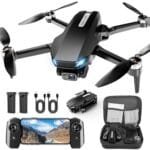
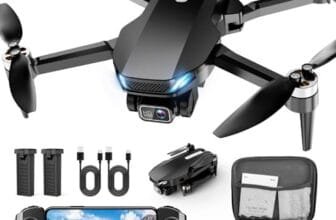
Drone With Camera and Screen Remote
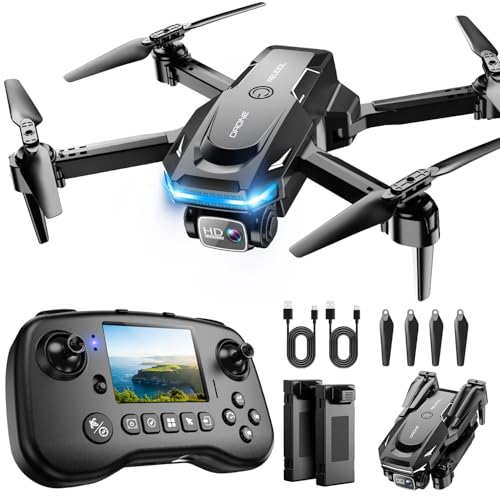
This camera drone stands out because the remote includes a built-in screen. I like that setup for beginners who do not want to use a phone during every flight. A dedicated screen can make the control area feel cleaner and easier to read. The live FPV view also helps new pilots understand the drone’s direction while learning basic turns.
The quadcopter design should feel familiar to anyone starting with a small recreational drone. It is a useful pick for backyard practice, family trips, and casual aerial clips. A screen remote may also reduce the fuss of opening an app, checking a cable, and changing phone settings before takeoff. As with any low-cost drone, I would fly in calm weather and keep expectations realistic about video quality, range, and battery life.
Pros:
- Built-in screen reduces the need to use a smartphone
- FPV view helps beginners learn drone orientation
- Simple quadcopter layout feels approachable for new pilots
- Good fit for casual practice and family use
- Dedicated remote keeps the phone free during flight
- Compact design is easier to store and carry
Cons:
- Small camera drones may struggle in wind
- Image quality may not match a premium stabilized drone
- Beginners still need an open area for safe practice
For first-time pilots, the screen is the main reason to consider this model. I find it easier to focus on stick control when the phone is not part of the setup. It also makes the drone feel more like a traditional remote-control aircraft. That can help a new user build confidence one short flight at a time.
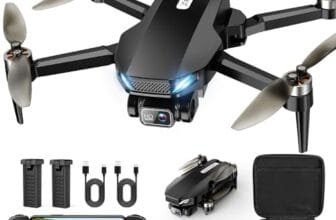
Foldable 1080P Camera Drone

This foldable drone offers a simple way to enter the camera drone hobby. Its 1080P camera targets the needs of new pilots who want photos and video without paying for a high-end system. The folding arms make the drone easier to place in a small bag or drawer. That matters when you want to bring it to a park, campsite, or family event.
I see this type of drone as a practical learning tool rather than a professional video platform. A beginner can practice takeoff, landing, forward flight, and slow turns before moving to more advanced equipment. The FPV feature adds fun because the pilot can watch the camera view while flying. For the best results, use it outdoors on a calm day and keep the first flights low and close.
Pros:
- Foldable body makes storage and travel simple
- 1080P camera suits basic photos and short clips
- Beginner-friendly size is less intimidating than a large drone
- Useful for learning core flight skills
- FPV view makes practice more engaging
- Often costs less than advanced 4K camera drones
Cons:
- 1080P footage has less detail than 4K video
- Lightweight drones can drift in strong wind
- Basic cameras may show more shake during movement
The strongest benefit here is portability. I would recommend it to a person who wants a small first drone that can travel without taking much room. The lower camera resolution can also be a benefit for learners because it keeps the price and learning curve more manageable. You can decide later whether you need a larger sensor, a gimbal, or better video transmission.
Still comparing drones? Take a look at our guide to the top drone options.
DJI Mini 4K Camera Drone Combo

The DJI Mini 4K is the most complete option in this group for beginners who care about video quality. The listing highlights a 4K UHD camera, 3-axis gimbal stabilization, automatic return, and long video transmission range. A 3-axis gimbal is important because it helps keep the camera level while the drone moves. That makes footage look smoother and less like a shaky first attempt.
The combo includes two batteries and lists up to 62 minutes of total flight time, which is more useful than judging a drone by one battery alone. The drone weighs under 249 grams according to the product listing, but pilots still need to follow current FAA rules and local limits. The controller and flight system offer a more polished path for learning. I would choose this model when the buyer wants a beginner drone that can remain useful after basic skills improve.
Pros:
- 4K video provides more detail for travel and outdoor clips
- 3-axis gimbal helps reduce camera shake
- Two-battery combo supports longer practice sessions
- Automatic return feature can add peace of mind
- Under-249-gram design is easy to carry
- QuickShots can help beginners create simple moves
- Long listed transmission range supports wide outdoor views
Cons:
- Costs more than basic toy-style camera drones
- New users must spend time learning the DJI flight app
- Obstacle avoidance should not be assumed unless clearly listed for the exact model
- Wind, buildings, and local interference can reduce real-world range
In my view, this is the best choice for a beginner who wants serious aerial video without jumping to a large professional drone. It gives a new pilot room to grow, much like buying a good pair of hiking shoes instead of disposable slippers. The camera system, gimbal, and extra battery support both practice and creative work. It is also a strong option for travelers who want quality footage in a small package.
Ruko F11PRO 2 Camera Drone

Like the Lanus Triple Camera 8K Drone, the Ruko F11PRO 2 is aimed at adults who want a larger camera drone with high-resolution recording. The product listing promotes a 6K camera and 4K/30fps video, which gives it a clear appeal for outdoor content. A larger foldable drone can feel more planted in the air than a very small toy model. That extra presence may help a beginner see the aircraft better during practice.
This model makes sense for users who want more than a quick indoor flight. Its camera features suit landscapes, journalism, home projects, trips, and social video. Still, a bigger drone needs more room and more care around people, trees, roads, and buildings. I would treat it as a learning camera platform and read the full manual before using advanced functions.
Pros:
- High-resolution camera offers strong detail on paper
- 4K/30fps recording suits travel and outdoor video
- Larger body can be easier to see at a safe distance
- Foldable design improves storage compared with fixed-arm models
- Good match for adults who want a serious-looking drone
- Useful upgrade path from a basic 1080P beginner drone
Cons:
- Larger size needs more space for safe takeoff and landing
- High-resolution recording may use more storage
- Wind can still affect flight, despite the larger frame
- New pilots may need more time to learn its controls
I would place the Ruko F11PRO 2 among the best camera drones for beginners who value resolution and a larger aircraft. It is not the smallest option, but that can be helpful for outdoor visibility. Buyers should choose a wide, open practice area and avoid crowded locations. With patient training, this drone can serve as both a first camera platform and a bridge toward more advanced flying.
1080P Drone With LCD Screen Remote

This FPV drone uses a remote with a 4.5-inch LCD screen, giving beginners a clear control display without depending on a phone. That is useful for parents, casual pilots, and anyone who wants a simple start-up routine. The 1080P camera is designed for everyday clips rather than cinema work. Its main appeal is ease of use, not advanced image control.
The built-in screen can also make shared flying more convenient because the pilot has a dedicated view in front of them. I would use it for short flights in a yard, open field, or quiet outdoor space. Beginners should keep the drone close enough to see its body, even while watching the screen. A screen helps with framing, but it does not replace good judgment or direct visual awareness.
Pros:
- Large 4.5-inch LCD screen is easy to view
- Does not require a personal phone for FPV viewing
- 1080P camera meets basic photo and video needs
- Approachable choice for first-time pilots
- Helpful for parents who want a simple family drone
- Dedicated controller keeps flight controls in one place
Cons:
- 1080P footage cannot match a stabilized 4K system
- LCD visibility may change in bright sunlight
- Small drones are more sensitive to gusts
This model is best for beginners who value a clear screen more than premium video. I see it as a friendly first step for someone who wants to learn without managing a mobile app. The controls, camera view, and compact format can make the hobby feel less technical. It may also be a thoughtful gift for a teen or adult who wants casual flight time.
How I Compare the Best Camera Drones for Beginners
When I compare the best camera drones for beginners, I start with control rather than megapixels. A sharp camera cannot rescue a drone that feels hard to steer. New pilots need stable hovering, clear controls, and a simple way to understand the aircraft’s direction. These basics turn the first flight from a panic moment into a calm lesson.
I also check the camera design. A basic 1080P camera can work well for family clips and simple social posts. A 4K camera gives more detail, but resolution alone does not make it one of the best drones for photography. Gimbal stabilization, light, wind, lens quality, and the pilot’s movement all affect the final video.
Battery planning matters just as much. A drone may advertise a flight time that applies only under ideal test conditions. Cold weather, wind, frequent acceleration, and camera use can shorten that time. A combo with two batteries often gives a beginner more useful practice than a single battery with a larger headline number.
Size also changes the flying experience. Small drones are easy to carry and may weigh under 249 grams, but they can move more in wind. Larger drones may be easier to see, yet they require more space and careful handling. I prefer a model that matches the user’s usual flying area, not just the most impressive specification sheet.
What Beginners Should Know Before Buying a Camera Drone
The word “beginner” covers many types of pilots. A child who wants indoor fun needs a different drone from an adult who wants travel video. A person who wants a screen remote may not enjoy a phone-based system. Before buying, think about where the drone will fly, how much video quality matters, and how much time the pilot wants to spend learning.
Start with a safe practice plan. Choose a clear area away from roads, crowds, power lines, airports, and homes that do not belong to you. Keep the drone low during the first few flights. Learn how to stop, land, and use return-to-home before exploring the full range.
In the United States, drone pilots should check current Federal Aviation Administration rules before flight. Recreational flyers generally need to follow safety guidance, keep the drone within visual line of sight, and respect airspace limits. Registration, Remote ID, TRUST testing, and other requirements can depend on the aircraft and how it is used. A drone’s weight does not remove the need to check local and federal rules.
Privacy matters too. Do not point a camera into a neighbor’s windows or record people who expect privacy. Avoid flying over sensitive sites or restricted locations. Responsible flying protects others and helps keep the hobby welcome in parks and communities.
Key Features That Matter Most
Stable flight: A drone that holds position well is easier to control. GPS support can help outdoor models maintain position and return toward the launch point, but it should not be treated as a guarantee. Always watch the drone and stay ready to land it yourself.
Return to home: This feature can help if the signal drops or the battery reaches a set level. Before using it, confirm the home point and set a safe return height. Trees, poles, and buildings can still create danger if the height is too low.
Camera quality: Look beyond the 1080P or 4K label. Ask whether the camera has a gimbal, electronic stabilization, adjustable angle, and reliable storage. A camera with a steady view often produces better clips than a higher-resolution camera that shakes during every turn.
Remote design: Large buttons and a clear phone holder help new pilots. A built-in LCD can make setup faster. I also value a controller that gives a clear battery warning and does not hide key commands inside a confusing menu.
Battery access: Removable batteries make charging and swapping easier. A two-battery package can be a good value for learning. Store batteries as directed, keep them dry, and stop using any pack that looks swollen or damaged.
Portability: A foldable drone can fit in a backpack and travel case. This encourages more practice because the drone is easy to bring along. Just remember that a small folded size does not always mean the drone is safe for indoor use.
Which Drone Type Is Right for You?
A screen-equipped drone is a good match for people who dislike phone apps. The first and fifth models in this guide focus on that simple experience. They can be easier for family use, gifts, and short practice sessions.
A foldable 1080P drone is better for a buyer who wants a low-cost travel model. It offers a useful camera without the extra weight and cost of a more advanced system. This type works well for learning basic control and capturing casual memories.
The DJI Mini 4K is the strongest fit for buyers who want video that can grow with their skills. Its 4K camera, 3-axis gimbal, and two-battery combo offer a more complete package. It costs more, but the extra control and image quality can reduce the need to upgrade soon.
The Ruko F11PRO 2 fits adults who want a larger camera drone with high-resolution recording. It is a better match for open outdoor spaces than tight indoor rooms. Its larger design may also appeal to buyers who want a more substantial aircraft in the hand.
My Recommendation
For most adults seeking the best camera drones for beginners, I recommend the DJI Mini 4K. Its 4K camera and 3-axis gimbal make it the easiest model here to recommend for smooth, useful video. The two-battery combo also gives a new pilot more time to practice. It offers a clear upgrade path without forcing a beginner to buy professional equipment.
I recommend the screen-equipped models for buyers who want the simplest setup. The first drone is a good everyday pick, while the 4.5-inch LCD model may suit families and gift buyers. Choose the foldable 1080P model when portability and price matter most. Choose the Ruko F11PRO 2 when high resolution and a larger outdoor drone matter more than compact size.
| Best for | Why |
|---|---|
| Best overall video | DJI Mini 4K combines 4K recording, gimbal stabilization, and two batteries. |
| Best simple screen setup | The screen remotes reduce phone use and make FPV viewing easy for new pilots. |
| Best high-resolution alternative | Ruko F11PRO 2 offers a larger body and listed 6K camera with 4K/30fps video. |
Tips for Your First Drone Flight
Charge the flight battery and remote before leaving home. Read the quick-start guide, then inspect the propellers for cracks or dirt. If the drone uses an app, update it before arriving at the flying area. A few minutes of setup can prevent a great deal of stress.
Pick a calm day. Wind is one of the fastest ways to overwhelm a new pilot, especially with a light drone. Keep people and pets away from the launch area. Place the drone on level ground, start the motors as instructed, and rise only a few feet for the first hover.
Practice four moves first: hover, forward flight, backward flight, and a slow turn. Then practice landing near the same spot. Do not rush into fast circles or high climbs. Good drone control grows from small, repeatable steps.
Keep the drone in sight. The screen shows what the camera sees, but it does not always show branches, wires, birds, or other aircraft. If the image freezes, look up at the drone and use the safest landing choice. A careful pilot treats the battery warning as an instruction, not a suggestion.
How to Get Better Drone Photos
Good aerial photos begin with slow movement. Rise smoothly, pause, and let the drone settle before recording. Fast stick movements can make even a strong camera look poor. I prefer short clips with a clear start and end over one long, shaky recording.
Use soft light when possible. Early morning and late afternoon can give buildings and landscapes warmer color. Bright midday light may create hard shadows and washed areas. Wipe the lens with a clean lens cloth before takeoff.
Keep the horizon level. A gimbal helps, but the pilot still needs to watch the framing. Leave space around the subject, and avoid pointing the camera directly at the sun. Review the footage after each flight so you can spot habits that need work.
FAQs Of Best Camera Drones for Beginners
What is the best camera drone for a first-time pilot?
The DJI Mini 4K is the best overall choice in this guide for most adults. It combines 4K video, 3-axis gimbal stabilization, automatic return, and two batteries. Buyers who want a lower price or a built-in screen may prefer one of the simpler models.
Is a 1080P camera good enough for beginners?
Yes. A 1080P camera works well for basic photos, family clips, and social posts. It costs less and can keep the first learning experience simple. Choose 4K if you plan to crop footage or want more detail for travel videos.
Are drones under 249 grams free from all rules?
No. Weight can affect certain FAA requirements, but it does not remove every rule. Pilots should check current FAA guidance, airspace limits, safety requirements, and local laws before flying. Always follow the manual and fly within visual line of sight.
Should beginners buy a drone with a screen remote?
A screen remote is helpful if you do not want to use a phone. It can make setup faster and keep the display in one place. A phone-based controller may offer more app features, so the better choice depends on your comfort and goals.
Can I fly a camera drone indoors?
Only if the space is large, clear, and suitable for the drone. Indoor GPS may not work well, and walls, furniture, people, and pets create hazards. Most beginners should start outdoors in a wide, calm, open area.
Final Verdict: Which Should You Buy?
The DJI Mini 4K is the best overall pick for beginners who want smooth, detailed video and room to grow. Choose a screen model for simple control, the foldable 1080P drone for low-cost travel, or Ruko for higher resolution.
The best camera drones for beginners make learning feel calm, not confusing. Check the rules, practice in an open area, and compare current Amazon availability before ordering.



[…] and professionals. Their advanced features allow for accurate and efficient land surveying. Many drones come equipped with high-resolution cameras, providing clear images from above. The Screen Remote […]