
The best router for a 3-story house is a reliable mesh Wi-Fi system with strong whole-home coverage and easy expansion.
A three-story home can create dead zones, weak video calls, and slow streaming when one router sits on a single floor. Thick walls, ductwork, appliances, and floor slabs can make the problem worse. I reviewed the listed products for coverage, setup, speed, and real-world fit. One important note: several items are not standard home routers, so I clearly explain where each product works—and where it does not.
See the differences between my top picks at a glance.
Linksys Velop 3-Pack Mesh Wi-Fi System

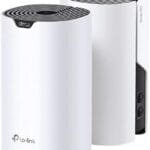
The Linksys WHW0203 Velop bundle is the strongest match for a typical three-story home in this group. It includes three nodes, so I can place one unit on each floor or use the layout that best fits the house. This design solves a key problem with tall homes: a single router does not need to push every signal through two floors.
The listing describes a dual/tri-band mesh combination. That gives the system a more flexible way to connect nodes and client devices than a basic router with one extender. Still, this is not the newest Wi-Fi generation, and the exact wireless band behavior depends on the bundle configuration. I would choose it for broad coverage and simple mesh placement, not for the newest speed features.
Pros:
- Three nodes suit multi-floor homes
- Mesh design helps reduce dead zones
- Each node can sit on a different floor
- Better whole-home layout than one central router
- Useful for phones, smart TVs, cameras, and laptops
- Can provide a smoother move between floors than separate network names
Cons:
- Older than current Wi-Fi 6 and Wi-Fi 7 mesh systems
- Wireless backhaul can lose speed across floors
- Large homes may still need careful node placement
- Advanced users may want more network controls
What Amazon Buyers Are Saying
Customer feedback for Velop systems often centers on the value of broad coverage and the convenience of a three-node kit. Buyers who place the nodes with open space between floors tend to find the setup more useful than those who hide a node in a corner or behind furniture. Common concerns with older mesh kits include setup trouble, app issues, and lower speeds when nodes connect wirelessly over long distances.
Reviews can vary by home size, wall material, internet plan, and device count. I would read the newest reviews before buying because firmware and app behavior can change. Also check whether the current bundle includes the exact node mix shown in the listing.
My Recommendation
I recommend the Linksys Velop 3-Pack when coverage matters more than cutting-edge speed. It is the clearest choice here for a family home with three floors and many rooms. Use Ethernet between nodes if the house has network wiring. Without wired backhaul, place each unit halfway between the router and the weak area rather than placing all units at the far ends.
Netgear Nighthawk RAX41 Wi-Fi 6 Router

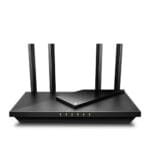
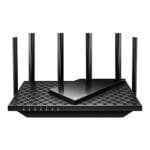
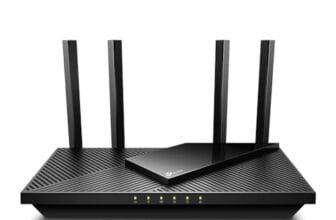
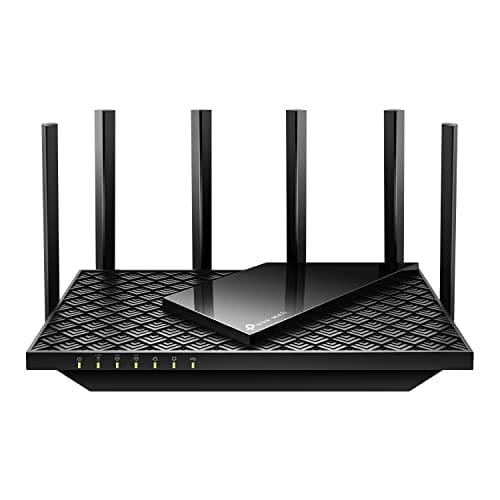
The Netgear Nighthawk RAX41 is a Wi-Fi 6 dual-band router with a five-stream design and an advertised AX3600 class. It is a better fit for a home that wants a fast main router rather than a ready-made three-node system. Wi-Fi 6 can handle busy homes more efficiently than older Wi-Fi standards, especially when many newer devices connect at once.
The main issue is physical coverage. A single router on the first floor may not deliver strong service to the third floor, even if its speed rating looks impressive. I would use the RAX41 in a central, open location or pair it with a compatible extender or access point. It can be the right choice when the home has Ethernet wiring and the owner prefers separate access points over a mesh bundle.
Pros:
- Modern Wi-Fi 6 support
- Strong fit for busy homes with many devices
- Useful advertised AX3600-class performance
- Good choice for a central router position
- Can serve as the main router in a custom multi-access-point setup
- Well suited to streaming, gaming, and video calls when signal strength is good
Cons:
- One unit may not cover all three floors
- Extra access points or extenders may raise the total cost
- Dual-band operation can limit wireless mesh backhaul capacity
- Top speed depends on client support, distance, and internet service
What Amazon Buyers Are Saying
Reviews for Nighthawk routers often praise easy setup, solid speed near the router, and dependable performance for everyday devices. Buyers also tend to like the familiar Nighthawk app and the range of basic network settings. The most common complaints with single-router products involve weak signals in distant rooms, app prompts, or performance that changes after placement.
Those comments make sense for a three-story home. A router can perform very well in the same room and still struggle through two floors. I would treat the RAX41 as a strong center unit, not as a complete whole-home solution unless the house is small or already has wired access points.
My Recommendation
The RAX41 is worth considering for a technically minded buyer who wants Wi-Fi 6 and plans to add network equipment later. It is not my first choice for a tall house that needs coverage straight from the box. Choose it when speed near the main router matters most, or when you can place wired access points on the upper floors.
Gen 3 Starlink-Compatible Wi-Fi Router

This Gen 3 dual-band router targets homes and offices that use a compatible Starlink system. The listing presents it as a router-only product, which matters because it may not include a Starlink dish or a complete internet kit. It can make sense for a Starlink customer who needs a replacement or a separate wireless network device.
For a three-story house, I would not assume that one unit will cover every floor. The final result depends on where the Starlink connection enters the home and where the router sits. Buyers should confirm compatibility, cable requirements, management features, and bridge or bypass support before replacing the equipment that came with their service.
Pros:
- Designed for compatible Starlink setups
- Dual-band wireless support
- Useful for a home or office with Starlink internet
- May help buyers build a separate indoor network plan
- Can suit users seeking a router-only purchase
- Potentially useful as part of a larger access-point layout
Cons:
- Not a universal router for every internet provider
- Router-only listing may exclude key Starlink hardware
- One unit may not cover three floors
- Compatibility details should be checked before purchase
- Less appealing for cable or fiber households
What Amazon Buyers Are Saying
Feedback on Starlink-compatible accessories often focuses on whether the product connects as described and whether setup is simple. Buyers usually want clear compatibility, stable service, and an easy way to extend coverage. Complaints in this product category often come from differences between Starlink generations, missing cables, or expectations that a single router will cover a large home.
I would read recent reviews with special care. Look for comments from customers using the same Starlink generation and a home with a similar layout. A positive review from a one-story home does not prove that this router will handle three floors.
My Recommendation
This router is worth a look only for a compatible Starlink household. It is not the best general answer for a three-story house because its main strength is provider compatibility, not a multi-node coverage design. If you buy it, plan the upper-floor coverage separately with wired access points or a compatible mesh system.
Wireless Bridge 3-Pack for Long-Range Links

This pre-configured wireless bridge kit serves a different purpose from a home Wi-Fi router. It creates a wireless network link between locations, such as a house and a garage, barn, store, or another building. The listing mentions point-to-multipoint use, a 100/1000 Mbps LAN port, and a three-pack intended for long-range connections.
That makes the kit interesting for a large property, but it is not a direct replacement for a whole-home mesh system. The bridge needs suitable mounting, a clear signal path, power, and correct network settings. I would consider it when the third floor is in a separate structure or when I need to carry a wired network connection across an outdoor gap.
Pros:
- Useful for separate buildings or remote areas
- Three units offer a flexible point-to-multipoint layout
- Pre-configured design may reduce setup work
- Gigabit LAN capability is useful for wired devices
- Can connect a garage, barn, office, or workshop
- More suitable than indoor extenders for some property-wide links
Cons:
- Not a plug-and-play home mesh router
- Needs careful placement and power access
- Outdoor distance claims depend on line of sight and conditions
- May require separate indoor Wi-Fi access points
- Overkill for a normal three-story house
What Amazon Buyers Are Saying
Wireless bridge buyers usually focus on range, ease of pairing, and the ability to connect buildings without trenching cable. Positive experiences often depend on clear alignment and a suitable mounting location. Common concerns for this type of product include setup instructions, signal loss through trees or walls, and confusion between a bridge link and a regular Wi-Fi router.
I would pay close attention to reviews that describe the same use case. A bridge that works well between two clear buildings may not work through floors inside a house. Before buying, confirm whether the kit supplies the power adapters, mounting parts, and network mode needed for your installation.
My Recommendation
I do not recommend this as the main router for most three-story homes. I recommend it for a property with a detached garage, barn, office, or other remote building. It can support a strong network plan when paired with indoor access points, but it adds setup work that a normal family house may not need.
Mini Compact Wi-Fi Router

This compact mini router is marketed for home, office, RV, and travel use. Its small size can help in a temporary setup, hotel room, mobile office, or limited-space location. The listing mentions compatibility with a Gen 3 system and a compact V4-style kit, so buyers should confirm the exact platform before ordering.
For a three-story home, the small form is more of a limitation than a benefit. Compact routers can be handy, but the listing does not present this product as a three-node mesh system or a purpose-built whole-home solution. I would use it as a travel or backup device, not as the only router for three floors.
Pros:
- Small and easy to carry
- Useful for travel, RV, or temporary offices
- Fits spaces where a full-size router is inconvenient
- May work as a backup network device
- Simple option for a small room or limited area
- Usually easier to move than a larger home router
Cons:
- Not designed as a complete three-story coverage system
- Listing compatibility needs careful checking
- Limited information is provided about advanced wireless features
- May not support many busy devices as well as a full-size router
- One compact unit is unlikely to remove floor-to-floor dead zones
What Amazon Buyers Are Saying
Compact router buyers often value portability, quick use, and a small footprint. Reviews in this category also tend to mention setup instructions, power needs, and whether the device works with the stated network platform. Complaints often arise when customers expect a travel router to perform like a full home mesh system.
I would check the newest buyer comments for actual wireless standards, operating modes, and compatibility. The product title alone does not prove that it can manage a large family network. For a tall house, coverage tests from similar homes matter more than the compact design.
My Recommendation
I would buy this mini router for travel, an RV, a backup connection, or a small office. I would not select it as the best router for a three-story house. It lacks the clear multi-node coverage advantage that the Linksys bundle offers, and its listing gives less detail about whole-home performance.
How to Choose the Best Router for 3-Story House
Choosing the best router for a 3-story house takes more than comparing the largest speed number. I look at the home layout, floor materials, internet plan, device count, and the place where the internet line enters the house. A good setup should keep phones, work computers, smart TVs, cameras, and game systems connected without forcing every device to use one distant router.
1. Choose Mesh Coverage for Tall Homes
A mesh system uses two or more nodes that work as one network. This layout often fits a three-story house better than one router because I can place a node near the main living area, another upstairs, and another near the lower floor. The nodes should not sit at the far edge of the weak zone. Each unit needs a usable connection to the next unit.
Placement matters as much as the product. Put nodes in open areas, away from metal cabinets, large appliances, and thick masonry. Avoid placing one inside a closet or behind a television. If the home has Ethernet wiring, use it for wired backhaul. This can improve stability because the nodes do not need to use Wi-Fi to talk to each other.
2. Match Wi-Fi Features to Your Home
Wi-Fi 6 can help when many devices share the network. It adds tools that manage busy connections more efficiently. Wi-Fi 6 is useful for modern phones, laptops, streaming boxes, and smart home devices. However, a new Wi-Fi label cannot overcome a poor location or a thick concrete floor.
Check the number of Ethernet ports, band design, app support, guest network options, firmware updates, and parental controls. If you plan to use wired access points, make sure the main router has enough LAN ports or leave room for a network switch. Also compare the router with your internet plan. A very high wireless rating does not make a 200 Mbps plan faster.
3. Consider Backhaul, Building Materials, and Total Cost
Backhaul is the connection between mesh nodes. Wired backhaul usually gives the most dependable result. Wireless backhaul is easier to install, but walls and floors can reduce its speed. A three-node system may also cost more than one router, yet the extra hardware can be cheaper than dealing with poor coverage and repeated dropouts.
Think about the full cost. Include extra nodes, Ethernet cable, a switch, wall mounts, and possible installation work. For a detached garage, a wireless bridge may make sense. For a normal indoor floor, a mesh node or wired access point usually makes more sense. I also check the return policy because every house blocks radio signals in a different way.
Final Verdict: Which Should You Buy?
The Linksys Velop 3-Pack is my top pick because its three-node design fits a tall home better than one router. The Netgear RAX41 is a strong second choice for Wi-Fi 6 users who can add wired access points.
For the best router for 3-story house coverage, prioritize node placement and wired backhaul over headline speed. Confirm compatibility, read current reviews, and match the system to your floor plan.
FAQs Of Best Router for 3-Story House
What is the best router for a 3-story house?
A three-node mesh system is usually the best fit because it places coverage on more than one floor. The Linksys Velop 3-Pack is the strongest option in this review.
Can one Wi-Fi router cover three floors?
Sometimes, but results vary. Floor materials, walls, router placement, and home size can create weak areas. A mesh system or wired access points usually provide more even coverage.
Is Wi-Fi 6 necessary for a three-story home?
No, but Wi-Fi 6 can improve efficiency in homes with many newer devices. Coverage and placement still matter more than the Wi-Fi number alone.
Should I use a mesh router or an extender?
I prefer mesh for a three-story house because mesh nodes use one coordinated network. An extender can help one weak area, but it may reduce speed or create a separate network name.
Where should I place mesh nodes in a three-story house?
Place the main unit near the internet connection and put the other nodes in open areas on the upper and lower floors. Keep each node close enough to the next one to maintain a strong link.