


The best drones under $200 — and even great drones under 100 — offer easy flight, useful cameras, and fun features for beginners without a high price.
You may want a drone for a first flight, a family gift, or simple aerial photos, but premium models can cost far too much. The good news is that budget drones now offer foldable bodies, altitude hold, one-key controls, phone viewing, and spare batteries. I looked at the features that matter most in real use: stable flight, simple controls, camera value, portability, and crash-friendly design. These four picks stand out as practical choices for new pilots who want more fun and less frustration.
[3-product-listings-blocks]
1080P Foldable RC Quadcopter Drone

This foldable RC quadcopter is a sensible starting point for anyone who wants a camera drone without a steep learning curve. Its 1080P camera aims at the most useful budget level: clear enough for casual photos, short clips, and a view of the flight from a phone. The folding frame also makes it easier to carry in a backpack or store in a drawer. For new pilots, a compact body can feel less intimidating than a large, costly drone.
The control layout focuses on common beginner needs. One-key functions can make takeoff and landing feel less stressful, while altitude hold helps the drone maintain a steadier height in calm conditions. I like this type of setup for short practice sessions because the pilot can focus on steering instead of managing every movement at once. As with most drones in this price range, it performs best indoors or outside on a calm day, away from trees, wires, and crowds.
Pros:
- 1080P camera supports casual aerial photos and video
- Foldable design is easy to carry and store
- Beginner-friendly controls reduce the learning curve
- Altitude-hold support can improve hovering practice
- Good fit for indoor use and calm outdoor flights
- Lower replacement cost than a premium camera drone
Cons:
- Wind can affect its flight more than larger drones
- Budget camera quality may drop in low light
- Phone-based FPV viewing can have a short delay
My Recommendation: I recommend this drone for first-time pilots, older children with adult guidance, and casual users who want a foldable camera drone. It gives you the main features most people expect from the best drones under $200 without adding advanced controls that may confuse a beginner. The 1080P camera is useful for fun clips, but I would not choose it for professional video or strong-wind flying. It offers good value when simple operation and easy storage matter more than long range or cinematic image quality.
Looking for more drone options? Explore our guide to the best drones for every use.
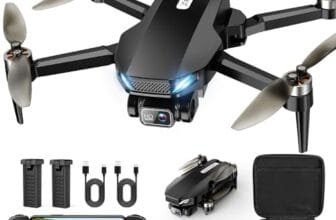
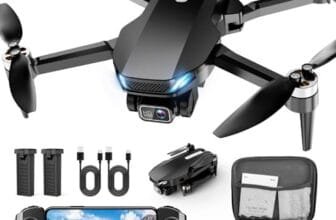
1080P Foldable Mini Drone with Two Batteries

This mini drone is built around easy play and quick learning. It includes a 1080P camera, a foldable body, two batteries, one-key start, altitude hold, and 3D flip functions. That combination gives beginners a clear path from basic hovering to simple tricks. The small size also makes it a friendly option for indoor rooms when the weather does not cooperate.
Two batteries are a major benefit for a family or new pilot. A single flight can feel short once a child starts learning turns, but a spare battery lets the session continue after a brief change. The 3D flip feature adds excitement, though I suggest mastering basic direction control first. Its light frame should be treated with care, and pilots should keep a safe distance from people, pets, glass, and ceiling fans.
Pros:
- Two batteries can extend practice time
- Foldable mini design travels well
- One-key start makes the first launch less difficult
- Altitude hold helps beginners learn steady flight
- 3D flips add fun after basic skills improve
- 1080P camera supports simple FPV play and recordings
Cons:
- Mini drones are more sensitive to outdoor wind
- Small batteries still need charging between sessions
- Camera footage may show vibration during fast moves
My Recommendation: This is one of the best drones under $200 for kids, teens, and families who want a fun first quadcopter. I especially like the two-battery package because it reduces the pause between flights. The flip mode gives the drone a playful edge, while altitude hold and one-key takeoff make the first few sessions less frustrating. Choose it for indoor practice, backyard fun in calm weather, and beginner gifts rather than serious outdoor filming.
2K HD FPV Drone with Altitude Hold

This 2K HD FPV drone targets buyers who want a little more camera detail than a basic 1080P model. Its feature list includes altitude hold, one-key takeoff and landing, speed adjustment, headless mode, and two batteries. Those controls matter because they help a new pilot progress at a comfortable pace. A slower speed can support indoor learning, while a faster setting can make open outdoor flying more engaging in calm air.
Headless mode can help when the drone turns and its front is no longer easy to see. Instead of relying on the drone’s nose direction, the control response stays easier to understand from the pilot’s point of view. I see this as a training aid, not a replacement for learning normal orientation. The 2K label may provide sharper footage in good light, but buyers should keep expectations realistic about stabilization, range, and night performance at this price.
Pros:
- 2K camera offers added detail for daylight clips
- Two batteries support longer learning sessions
- Adjustable speed suits both new and improving pilots
- Headless mode can simplify directional control
- One-key takeoff and landing improve convenience
- Altitude hold can make basic photos easier to capture
Cons:
- Camera results depend heavily on light and movement
- Headless mode may not teach normal orientation skills
- Wind can reduce stability and battery life
My Recommendation: I would choose this model for beginners who want a broader set of controls and a 2K camera at a modest cost. It suits teens, adults, and gift buyers who may outgrow a very simple toy drone quickly. The speed settings give it more room for skill growth than a one-mode flyer. Among the best drones under $200, it stands out for users who want a balance of camera detail, flight aids, and practice value.
Portable 2K FPV Drone for Beginners

This portable 2K FPV drone has the feature mix I look for in a simple travel-friendly starter drone. It folds down for transport and includes two batteries, three speed modes, altitude hold, headless mode, and one-key takeoff and landing. That makes it suitable for short trips, family gatherings, and practice in open spaces. Its controls give a beginner useful help without making the drone feel completely limited.
The three speed modes are particularly useful because flying skill grows in stages. A low setting can help a new pilot learn smooth turns, while a higher setting adds faster response once confidence improves. Two batteries also make the package more practical for a weekend outing, although charging time and battery care still matter. I would use the camera in daylight and keep the drone within clear view, since a phone feed is best treated as a fun guide rather than a perfect professional monitor.
Pros:
- Three speed modes support gradual skill building
- Foldable body is convenient for travel
- Two batteries make outdoor sessions more useful
- 2K camera provides solid daylight detail for casual use
- Headless mode helps during early practice flights
- One-key controls make takeoff and landing simple
Cons:
- Phone FPV performance depends on wireless conditions
- Small drone size limits stability in gusty weather
- Advanced users may want GPS and stronger stabilization
My Recommendation: I recommend this drone for adults, teens, and beginners who want a portable model with room to grow. The three speed modes make it more flexible than a basic toy, and the spare battery adds real day-to-day value. It is a strong pick for park practice in calm conditions, travel, and casual aerial clips. If you want one of the best drones under $200 with useful beginner aids and easy packing, this model deserves a close look.
How I Evaluate the Best Drones Under $200
Price alone does not tell me whether a drone is worth buying. I first study the control aids, camera claims, battery package, body design, and likely use case. A low-cost drone should make learning feel manageable, not turn every flight into a repair job. I also check whether the feature list matches the needs of a real beginner.
In this price class, I pay close attention to altitude hold. This feature helps the drone stay near one height when the pilot releases the throttle, though it cannot fully correct strong wind or poor sensor conditions. One-key takeoff and landing also matter because they reduce the number of steps during the first flight. These tools do not replace practice, but they give new pilots a softer landing while they learn.
Camera Quality and FPV Viewing
Many budget drones advertise 1080P or 2K cameras. That number describes image resolution, but it does not tell the whole story. Lens quality, vibration, lighting, phone connection, and the way the drone stores video also affect the final result. I expect the best footage in daylight, with slow movements and a steady hover.
FPV means first-person view — a feature some explore for journalism use — and in these entry-level models it usually sends a live view to a phone through an app or wireless connection.. That view can be fun for framing a photo, but it may show delay or reduced detail. I always suggest keeping the drone within direct sight and using the live feed as an aid, not as permission to fly behind buildings or trees.
Flight Time and Spare Batteries
Battery claims can vary with wind, speed, camera use, and flight style. Fast turns and repeated flips use more power than a calm hover. A model with two batteries often gives better practical value than a model with a slightly higher advertised resolution but only one battery.
Before buying, check how the battery charges and how long a full charge takes. A spare battery is helpful, but it does not mean nonstop flying. I prefer short flights with cool-down time between packs because heat can shorten battery life. Store batteries in a safe, dry place and follow the maker’s charging instructions.
Foldable Design and Durability
A foldable drone is easier to carry, but its small frame can also be light and more affected by wind. That is not a flaw when the main goal is indoor play or calm-weather practice. It simply sets a clear boundary for use. A beginner can get more enjoyable flights by choosing an open area with little wind instead of trying to force a tiny drone into harsh conditions.
Propeller guards are useful around furniture and walls. They may reduce damage from a light bump, but they do not make a drone crash-proof. I recommend buying spare propellers if the package includes them, and I suggest learning the emergency stop control before the first flight. A quick stop can prevent a small mistake from becoming a broken motor or cracked propeller.
Controls That Help Beginners
The most useful beginner controls are simple. One-key takeoff, one-key landing, altitude hold, speed adjustment, and headless mode can each remove one layer of stress. Still, a pilot should learn normal direction control over time. Headless mode can help during early flights, but it may slow the process of learning which way the drone’s front is facing.
Speed adjustment deserves special attention. A slow mode gives a new pilot more time to react near walls or trees. A faster mode can make turns feel sharper, but it also makes errors happen sooner. I advise starting low, flying in a wide open area, and moving up only after the controls feel natural.
Best Drones Under $200: Key Buying Factors
Choose the Right Size
Mini drones are easy to carry and often work well indoors. Their light weight also means a bump may cause less damage to furniture or the drone itself. However, mini models do not handle wind as well as heavier aircraft. If outdoor flight is your main goal, choose calm days and open spaces.
A small drone is not automatically safer. Every propeller can cause harm if it touches eyes, skin, or loose clothing. Children should fly with close adult supervision, and everyone should keep hands away from spinning blades. The best drones under $200 are still aircraft, even when they look like toys.
Consider the Person Flying It
For a young beginner, simple controls and propeller protection may matter more than a 2K camera. For an adult learner, speed modes and a foldable body may offer more lasting value. For a casual photographer, camera resolution and steady hovering may come first. Matching the drone to the pilot prevents disappointment.
I also suggest thinking about where the drone will fly. A small room calls for a gentle indoor model. A large backyard needs open space and calm air. A travel user will appreciate a folding body, two batteries, and a controller that fits easily in a bag.
Read the Safety Rules
Before flying in the United States, check current Federal Aviation Administration rules. Recreational flyers must follow safety guidance, stay aware of airspace, and keep the drone within visual line of sight in normal situations. Some drones may need registration based on their weight and use. Rules can change, so check the current FAA information before your first outdoor flight.
Never fly near airports, emergency response work, or restricted areas without knowing the rules. Avoid crowds and respect private property. Do not use a drone to look into windows or record people where they expect privacy. Safe habits protect the pilot, the public, and the future of recreational drone flying.
Look Beyond Camera Numbers
A 2K label sounds better than 1080P, but a stable 1080P clip can look better than shaky 2K footage. A drone that hovers well may help you capture more useful video than one with a higher number but poor control. I treat camera resolution as one part of the buying decision, not the final answer.
Also check whether the camera angle changes, whether video saves to a phone or memory card, and whether the app works with your device. Product listings can change over time. Read the current package details before ordering, especially if a specific accessory is important to you.
How to Get Better Flights from a Budget Drone
Start with a preflight check. Charge the battery, inspect the propellers, secure the phone, and confirm that the controller responds. Choose a flat launch spot with plenty of room. I find that five calm minutes of setup can save a long afternoon of frustration.
Keep the first flight simple. Rise a few feet, hold position, and practice forward, backward, left, and right movement. Then try a slow square pattern. Do not begin with flips or high-speed turns, even if the drone includes those modes.
Wind is the quiet test that exposes the limits of a budget drone. A light breeze may be manageable, but gusts can drain the battery and push a mini quadcopter toward obstacles. If tree leaves are moving hard, wait for a calmer time. The most expensive crash is often the one that could have been avoided.
Use a soft landing area when possible. Grass can be more forgiving than concrete, although tall grass may catch propellers. Keep spare parts in a small case so a damaged propeller does not end the day. I also recommend letting the battery cool before charging it after a flight.
My Recommendation
After comparing the four models, I would match each one to a different type of buyer rather than call one drone perfect for everyone. The 1080P foldable RC quadcopter is a simple starting point. The mini 1080P model is especially appealing for children and family play because it includes two batteries and fun flips.
The two 2K models make more sense for adults and teens who want sharper daylight video and more control options. The B0F8QTBGNP model is a good choice for users who value speed adjustment and headless mode. The B0FXGPGYFP model is best for people who want three speed modes and easy travel.
| Best for | Why |
|---|---|
| First-time pilots | The 1080P foldable RC quadcopter offers simple controls, altitude hold, and easy storage. |
| Kids and family fun | The 1080P mini drone includes two batteries, one-key start, and 3D flips for playful sessions. |
| Growing beginners and travelers | The two 2K foldable models add speed modes, headless mode, two batteries, and more camera detail. |
For most buyers, I would start with the 1080P mini drone if the main goal is fun and easy learning. It has the kind of feature mix that keeps a new pilot interested after the first few flights. If camera detail matters more, I would move to one of the 2K options. The best drones under $200 are valuable because they let you learn the basics before deciding whether you need a more advanced GPS or stabilized camera drone.
What You Should Expect from Drones in This Price Range
Drones under $200 can be very enjoyable, but they have clear limits. They usually do not offer the same wind resistance, obstacle sensing, GPS return-to-home accuracy, or camera stabilization found on costly models. Their phone apps may feel basic, and their range can vary with the environment. Knowing this before purchase helps you judge the drone fairly.
These drones are strongest as learning tools and casual flying machines. They can teach throttle control, orientation, turns, framing, and safe flight habits. They can also create fun family memories in a backyard or open field. Think of them as a bicycle for the sky: useful for learning balance, but not built like a racing motorcycle.
Battery life is another area where expectations matter. Product pages may list an estimated time under ideal conditions. Real use can be shorter when the drone fights wind, records video, or performs flips. Two batteries can improve the experience, but I still plan flights in short blocks.
Are These Drones Good Gifts?
Yes, a beginner drone can make a strong gift for a teen, adult, or responsible older child. The best gift choice has easy controls, spare batteries, a foldable frame, and a camera that adds interest. A drone is more rewarding when the recipient has a safe place to fly and time to practice.
I would avoid giving any drone without explaining the safety rules. An adult should help younger pilots with charging, setup, and outdoor use. A small lesson on takeoff, landing, and emergency stopping can turn a confusing gift into a lasting hobby.
Indoor Versus Outdoor Use
Indoor flight works best with a small, light drone and enough open floor space. Remove fragile items, close doors, and keep pets away during practice. Ceiling fans, curtains, mirrors, and low light can all create problems.
Outdoor flight gives the drone more room but adds wind, trees, wires, and uneven ground. Start in a wide field or empty yard. Stay far from roads, people, homes, and power lines. A calm morning often provides better conditions than a windy afternoon.
Care and Storage Tips
Store the drone with the battery removed. Keep the aircraft and batteries away from heat, moisture, and direct sun. Check the propellers before each flight because even a small bend can cause vibration or poor control.
Clean dust from the motors with care, and do not force a motor that feels stuck. Use the supplied charger unless the instructions approve another option. If a battery swells, leaks, or becomes unusually hot, stop using it and follow local battery disposal guidance.
FAQs Of Best Drones under $200
Are drones under $200 good for beginners?
Yes. Many include altitude hold, one-key takeoff, speed modes, and headless mode. These features make learning easier, although beginners still need practice and a safe flight area.
Can these drones fly outside?
Yes, but they work best in calm weather. Small, light drones can drift in wind, so fly in an open area and keep the drone within direct sight.
Is a 2K drone better than a 1080P drone?
Not always. A 2K camera may capture more detail, but stable flight and good light often matter more. A steady 1080P clip can look better than shaky 2K video.
Do I need to register a budget drone?
Registration depends on the drone’s weight, use, and current rules. Check the latest Federal Aviation Administration requirements before flying outdoors in the United States.
How long do drone batteries last?
Actual flight time varies with wind, speed, camera use, and battery condition. Two-battery packages are often more convenient, but each battery still needs charging and cool-down time.
Final Verdict: Which Should You Buy?
For most new pilots, the 1080P mini drone with two batteries is the best all-around pick. It combines simple controls, fun flips, foldable storage, and useful practice time. The 2K models suit users who want more camera detail and speed control.
The best drones under $200 can make a smart first step into aerial photography and RC flight. Choose a model that matches your skill, follow FAA guidance, and fly with care for better results.



[…] GPS Drone with 4K camera is ideal for those who prefer simplicity and portability. The Potensic ATOM SE stands out with its […]